India Moving on 'Reform Express', Says PM Modi at UPSC Centenary Event
Oct 01, 2026
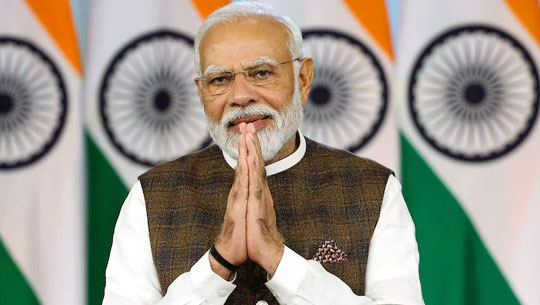
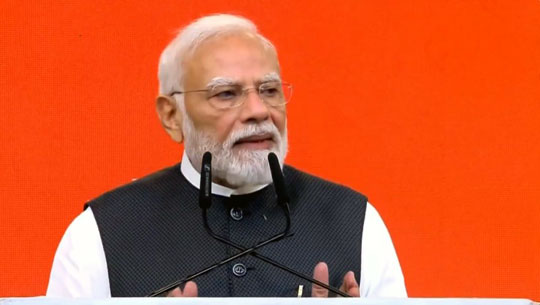
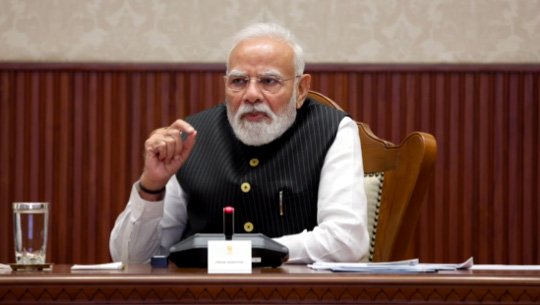
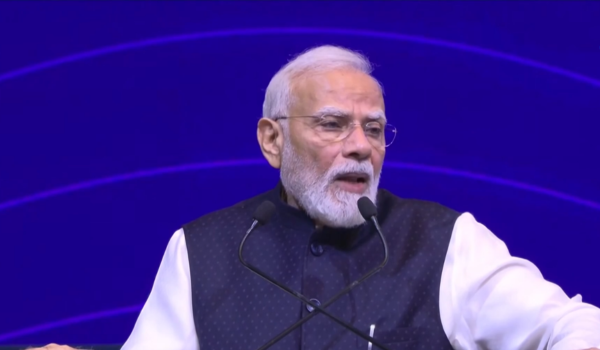
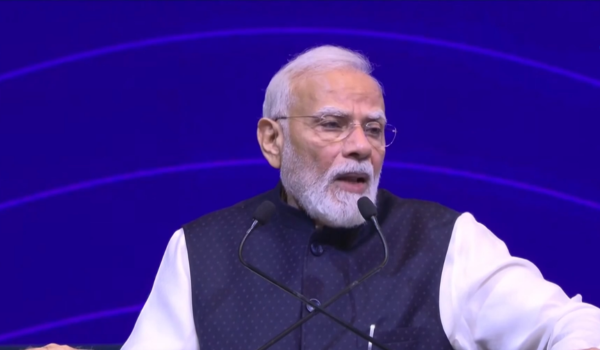
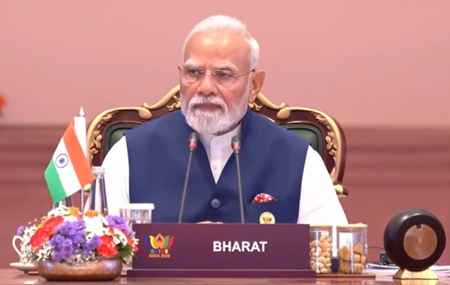
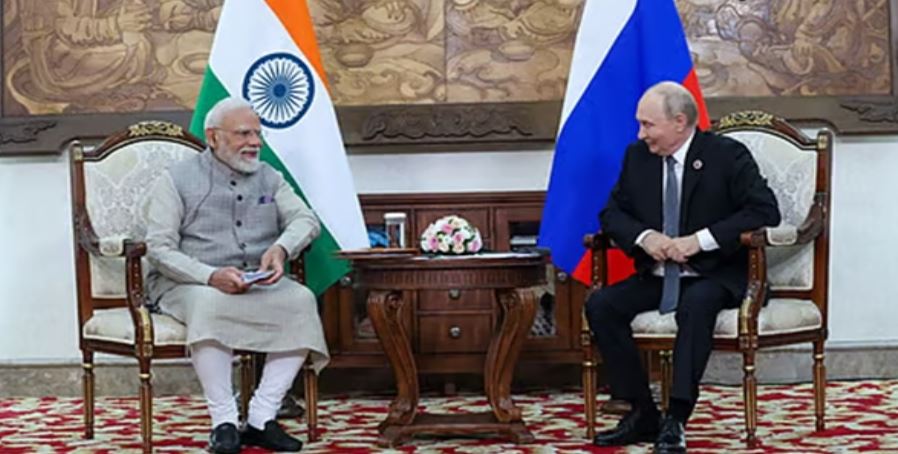
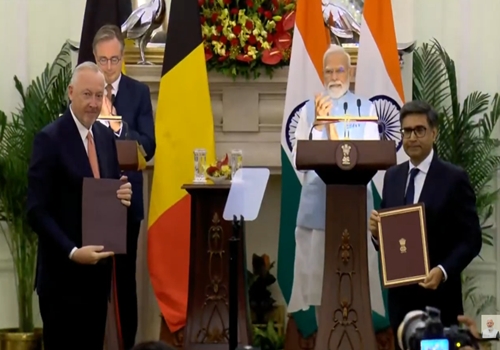
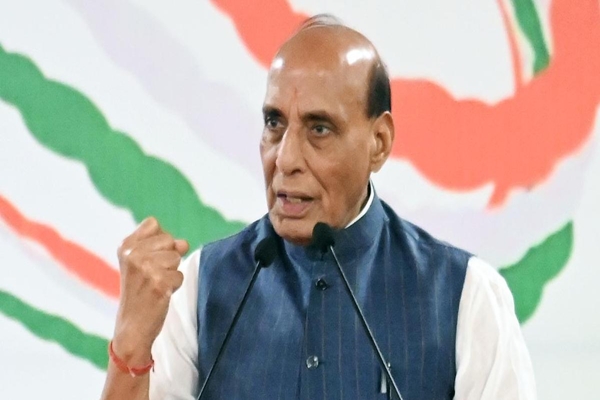
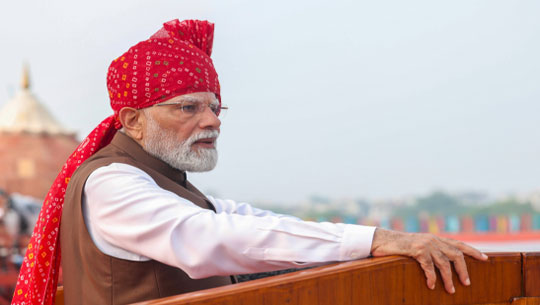
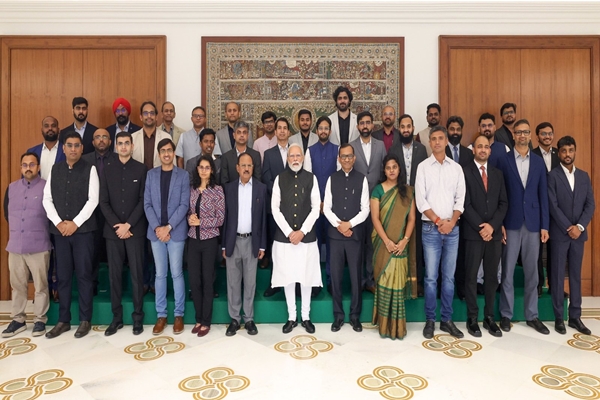
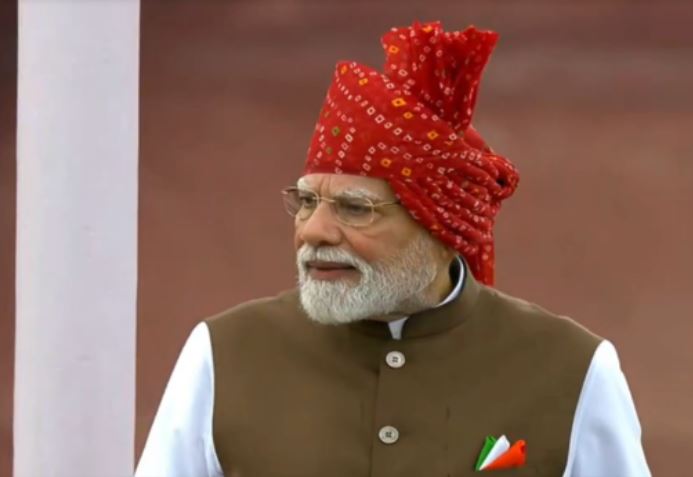
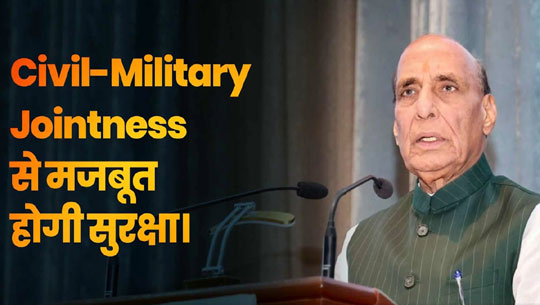
Agartala, Oct 1: Prime Minister Narendra Modi on Thursday said India in 2047 will be far more urban, with narrower gaps between villages and cities and higher aspirations among citizens, addressing the centenary celebrations of the Union Public Service Commission (UPSC) at Bharat Mandapam in New Delhi.
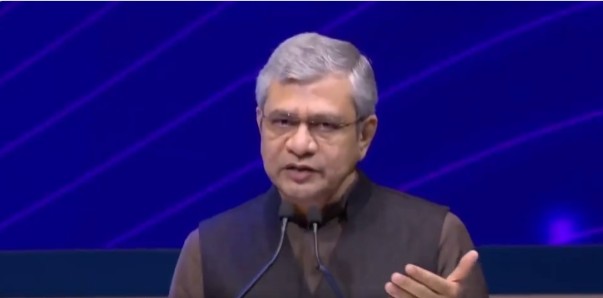
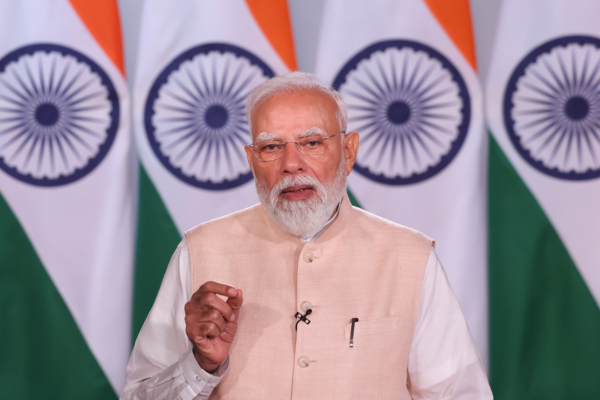
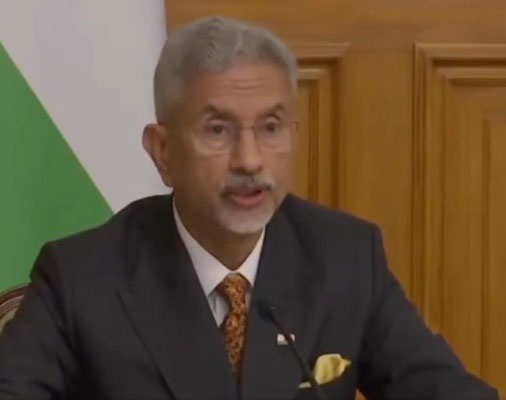
"The country is moving rapidly on the Reform Express, and the institutions that conduct examinations must also work on reforms that the country needs," Modi said. He said an examination should not be treated merely as an event. "It is related to the future of the youth. A delay of even a few months can create difficulties for them. The examination system must follow the principle of time certainty," he said.
Modi said that over the Commission's 100-year journey, much had changed, but one thing had not. "Generations, governments, technology and syllabi have changed, but the trust in this institution remains as unwavering as ever," he said. He called for bringing into public service young people drawn to service rather than office. "Today, 21st century India is moving forward with a new work culture, and its core principle is Pro-People, Pro-Active, Good Governance," he said.
The Prime Minister said his government's approach was centred on citizens. "Nagarik Devo Bhava is our mantra. Serving the citizens is paramount," he said, adding that institutions such as the UPSC and the State Public Service Commissions would enable the governance a Viksit Bharat requires. "The young people being recruited today will play an important role in building a Viksit Bharat," he said.
Looking ahead, Modi said, "India in 2047 will be very different from the India of today. It will be more urban, the gap between villages and cities will be smaller, and the aspirations of citizens, especially the youth, will be much higher. The next 20 to 25 years will be extremely important for every Indian and for every institution in the country."
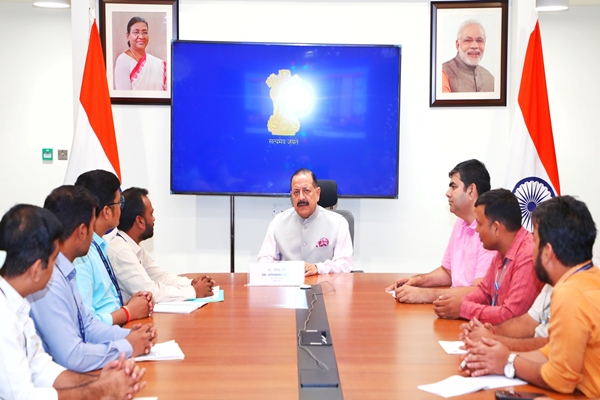
Union Minister of State for Personnel, Public Grievances and Pensions, Dr Jitendra Singh, said the Commission had achieved several milestones over the last twelve years. "The number of government appointments made through UPSC has increased, and transparency in the recruitment system has improved, leading to greater public trust," he said. He cited figures to illustrate the point. "Approximately 65,000 appointments were made through the UPSC during the NDA's twelve-year tenure, compared with around 45,000 appointments during the UPA's ten-year tenure. Today, UPSC has become a role model for recruitment agencies across the country and the world," Dr Singh said.
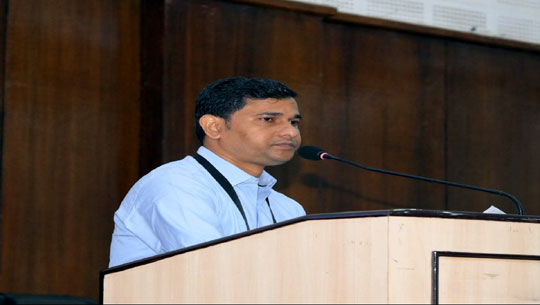
UPSC Chairman Dr Ajay Kumar said generations of the nation's youth had approached the Commission with dreams of serving the country. "UPSC has ensured that they are judged solely on the touchstone of merit. Currently, women constitute approximately 30 per cent of the successful candidates in the Civil Services Examination," he said. He added that the Commission had adopted new measures to strengthen fairness and security. "We are identifying duplicate applications with the help of Artificial Intelligence, conducting real-time OCR-based evaluation of millions of documents uploaded by candidates, and using face authentication for lakhs of candidates at examination centres," Dr Kumar said.
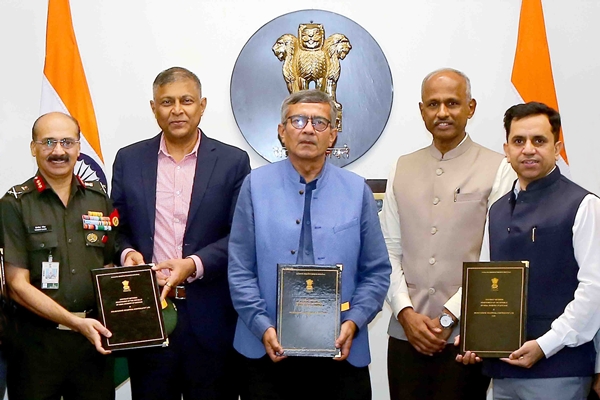
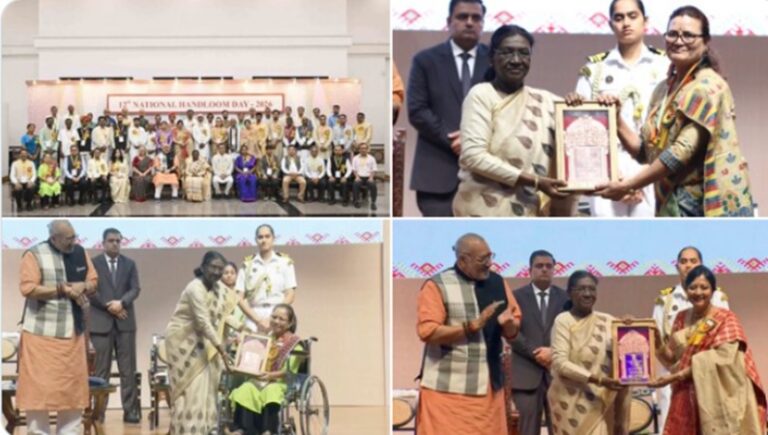
The programme marked the culmination of year-long celebrations that began on October 1 last year, commemorating 100 years since the UPSC's establishment in 1926. On the occasion, Modi released a UPSC Centenary Commemorative Coin, a Commemorative Stamp and a book titled "100 Landmark Judgements – Shaping the Policies of UPSC and Public Service Commissions in India."