‘Development is not just infrastructure, but human progress’: Minister Ratan Lal Nath
Sep 25, 2026
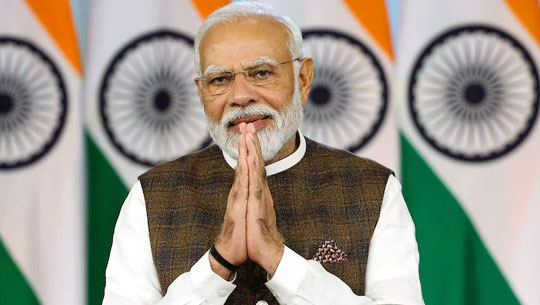
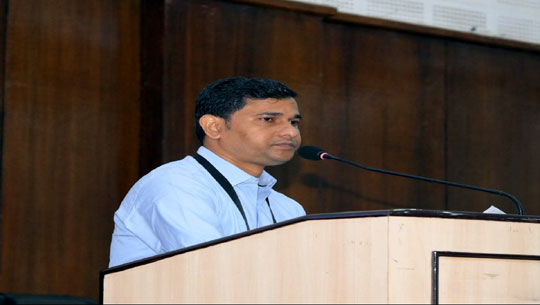
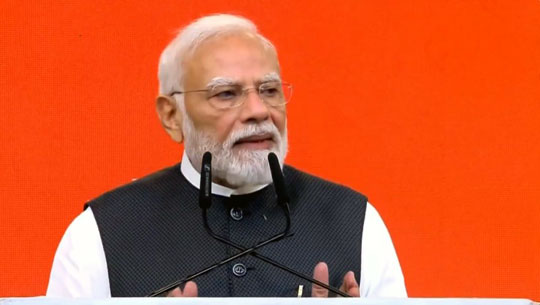
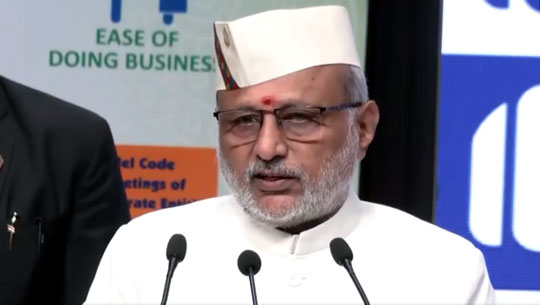
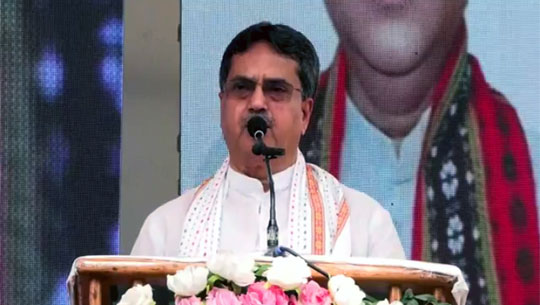
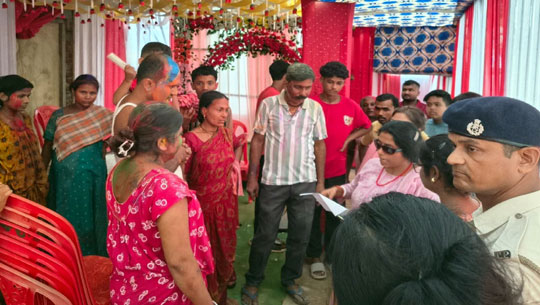
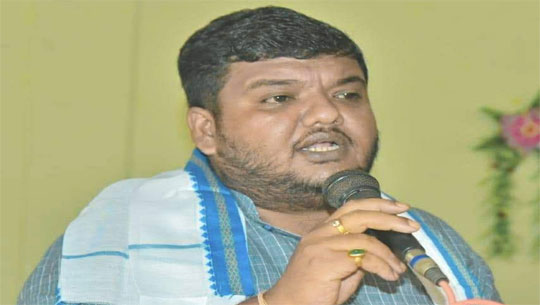
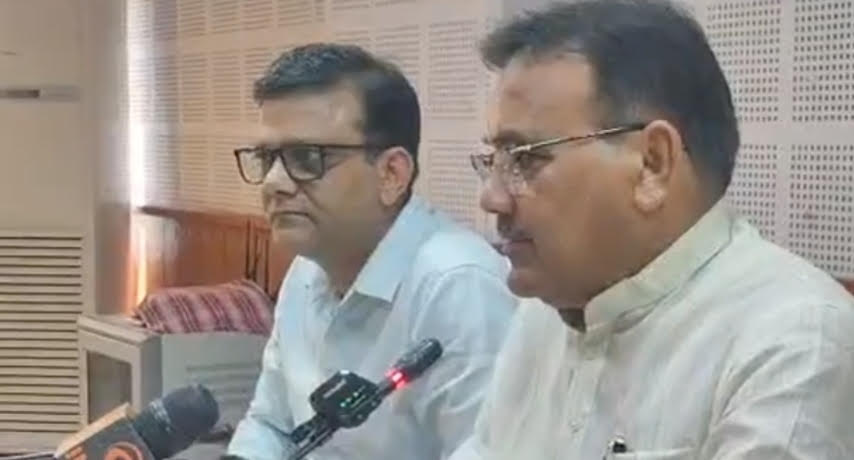
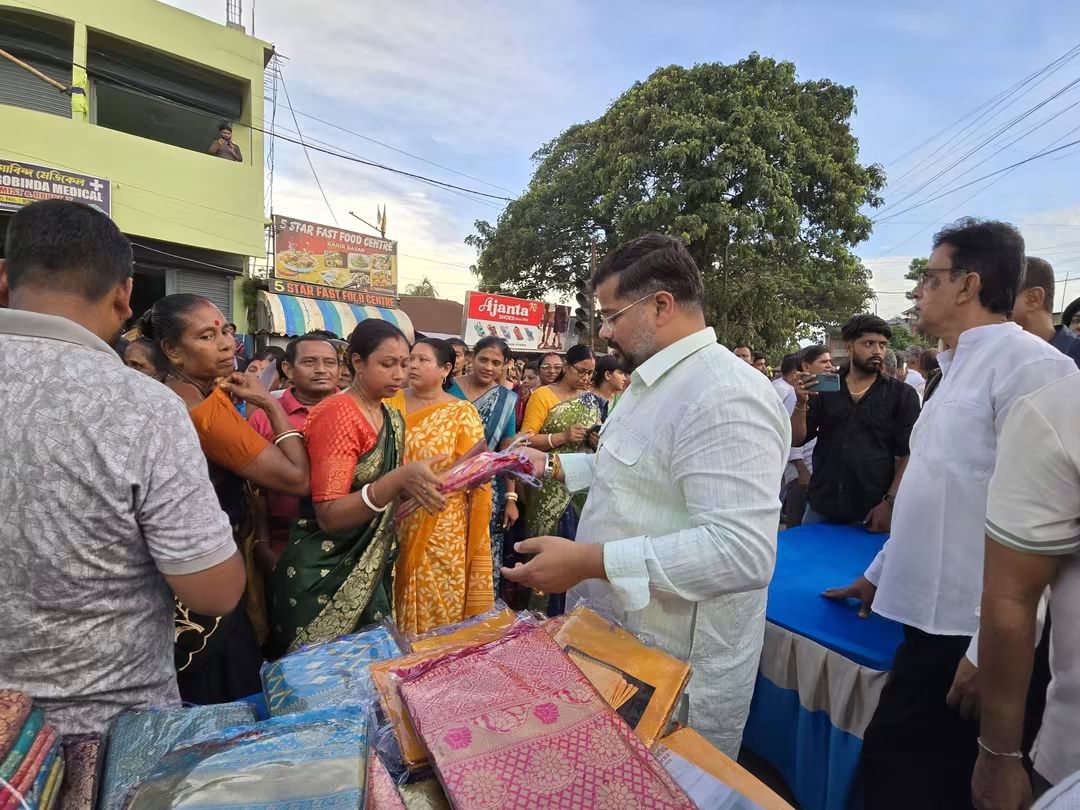
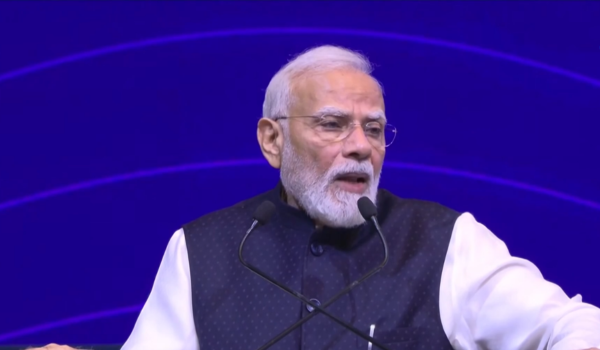
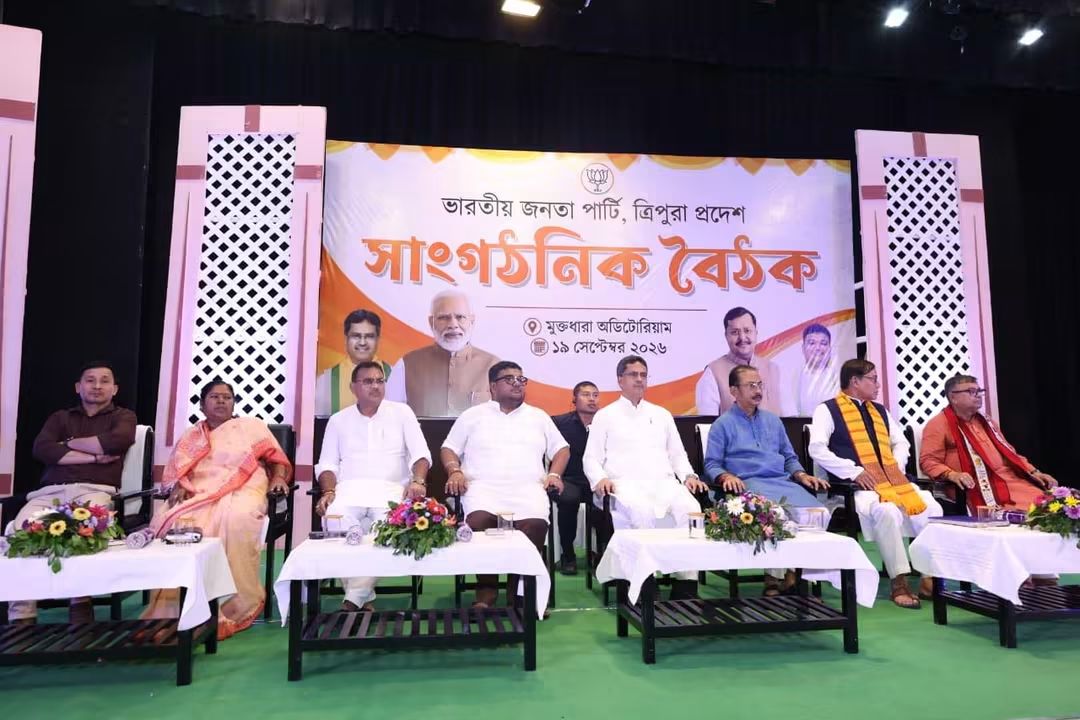
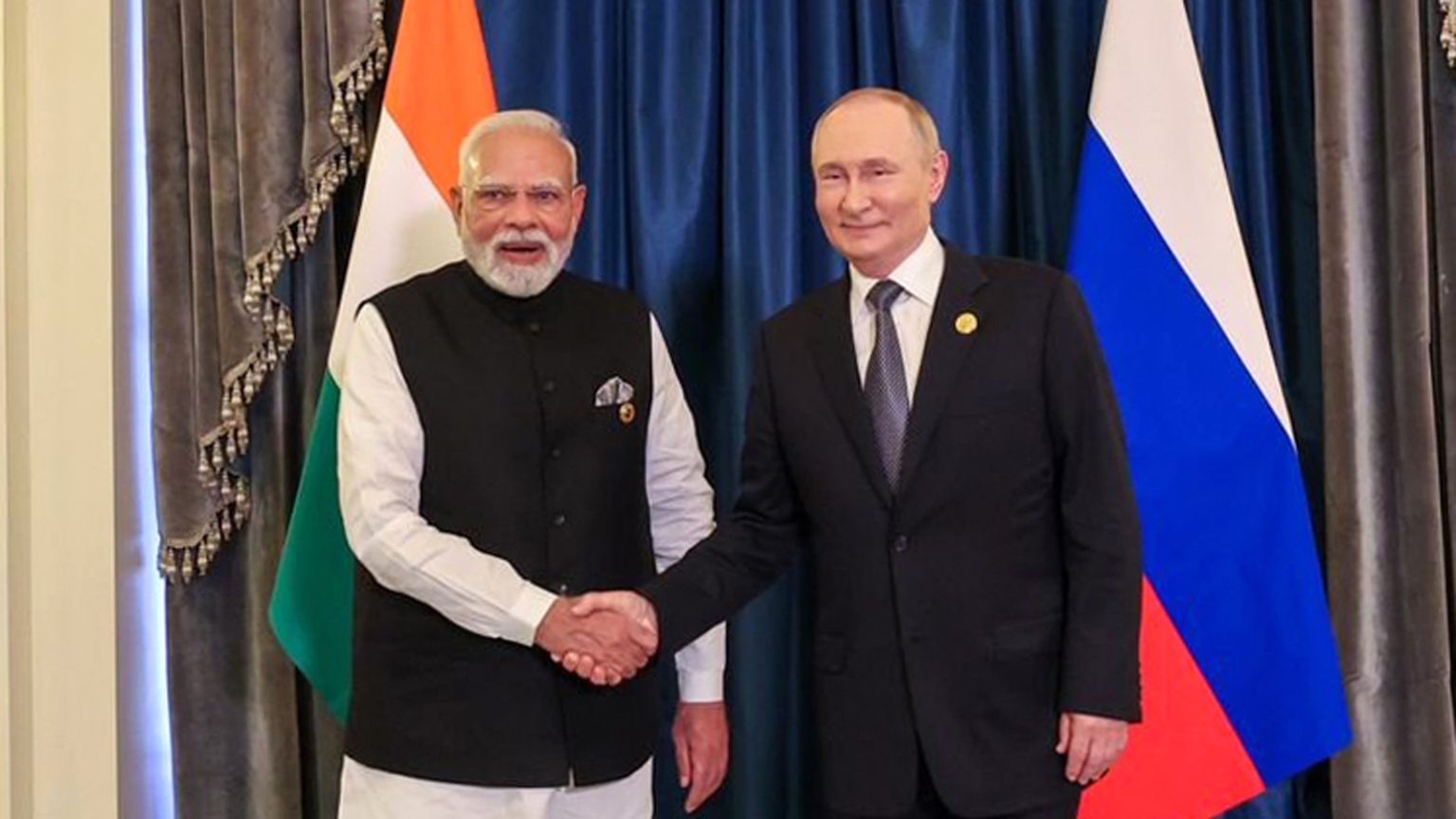
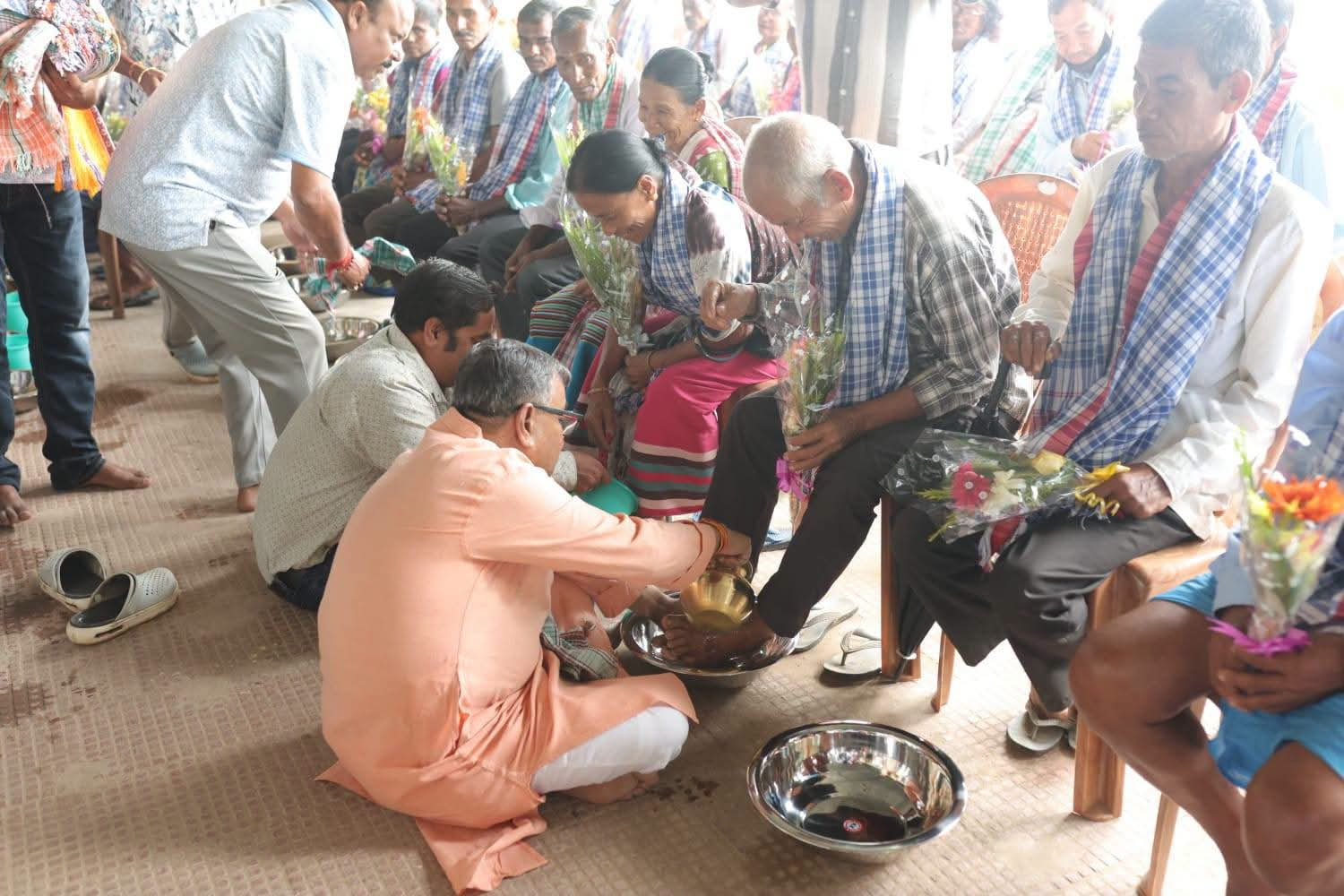
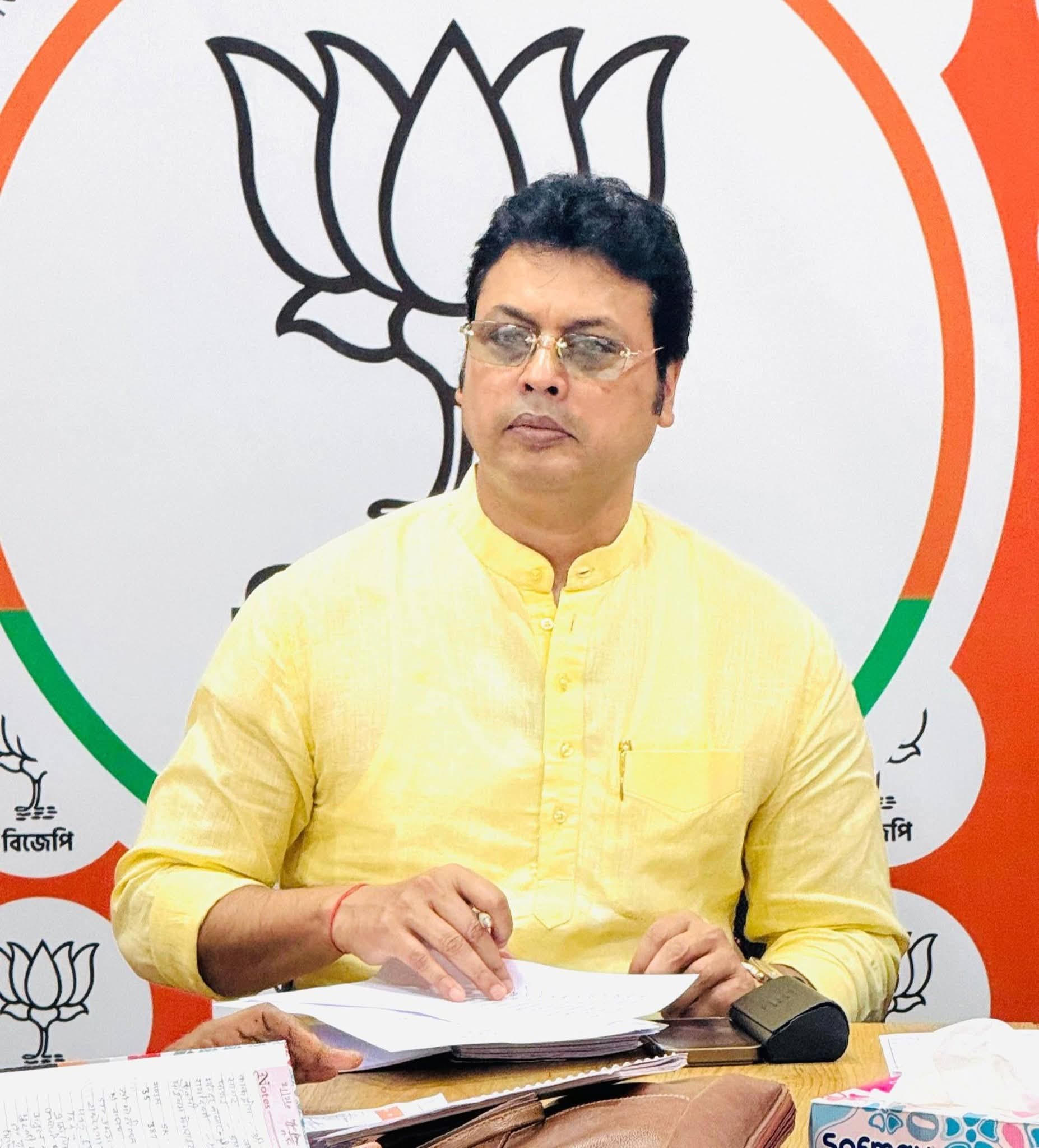
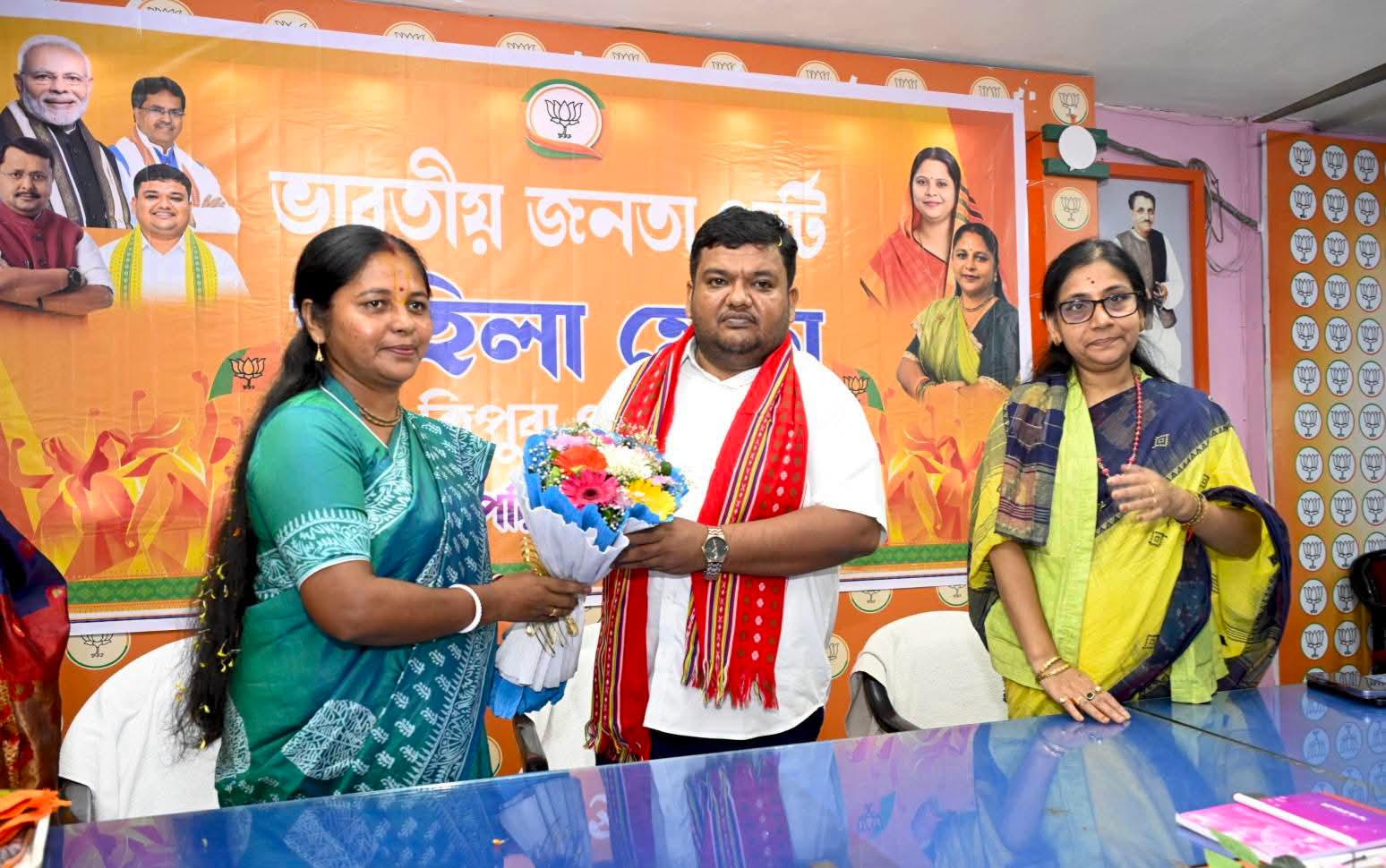
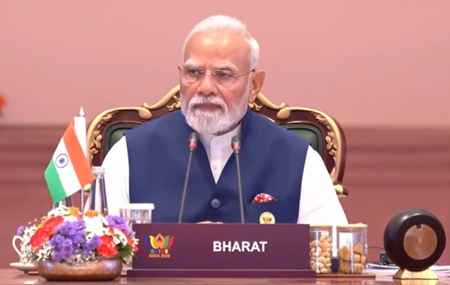
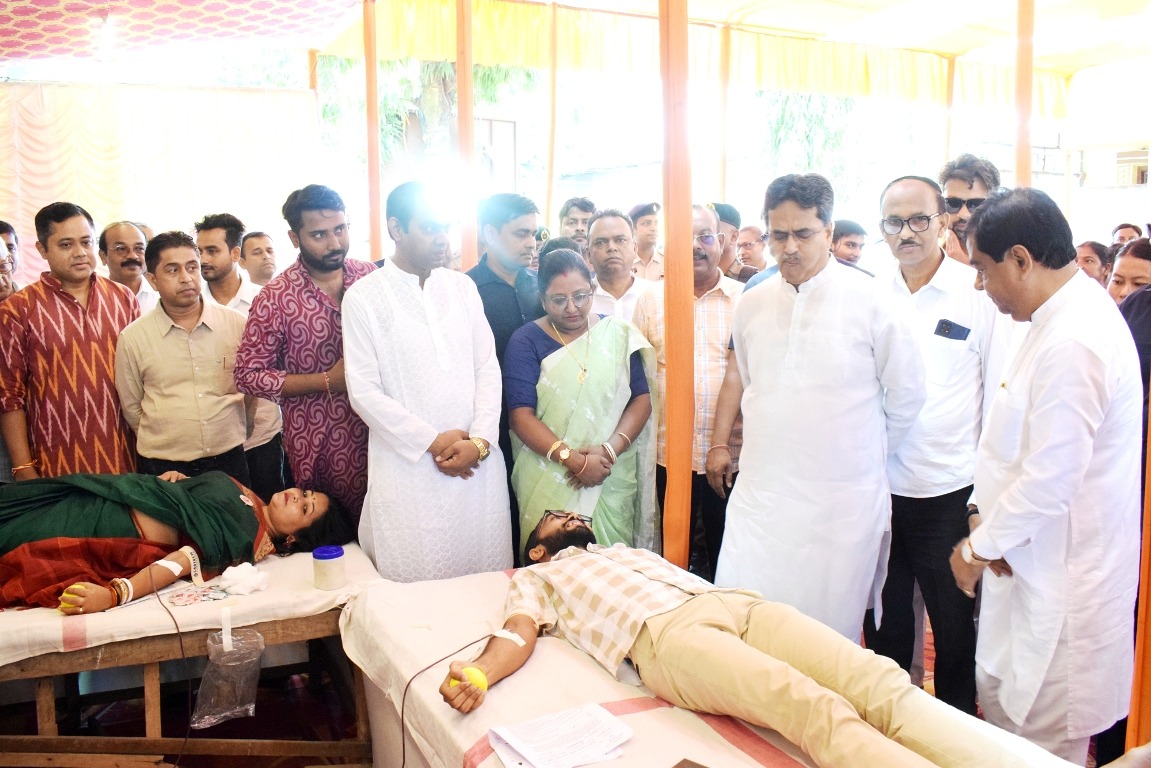
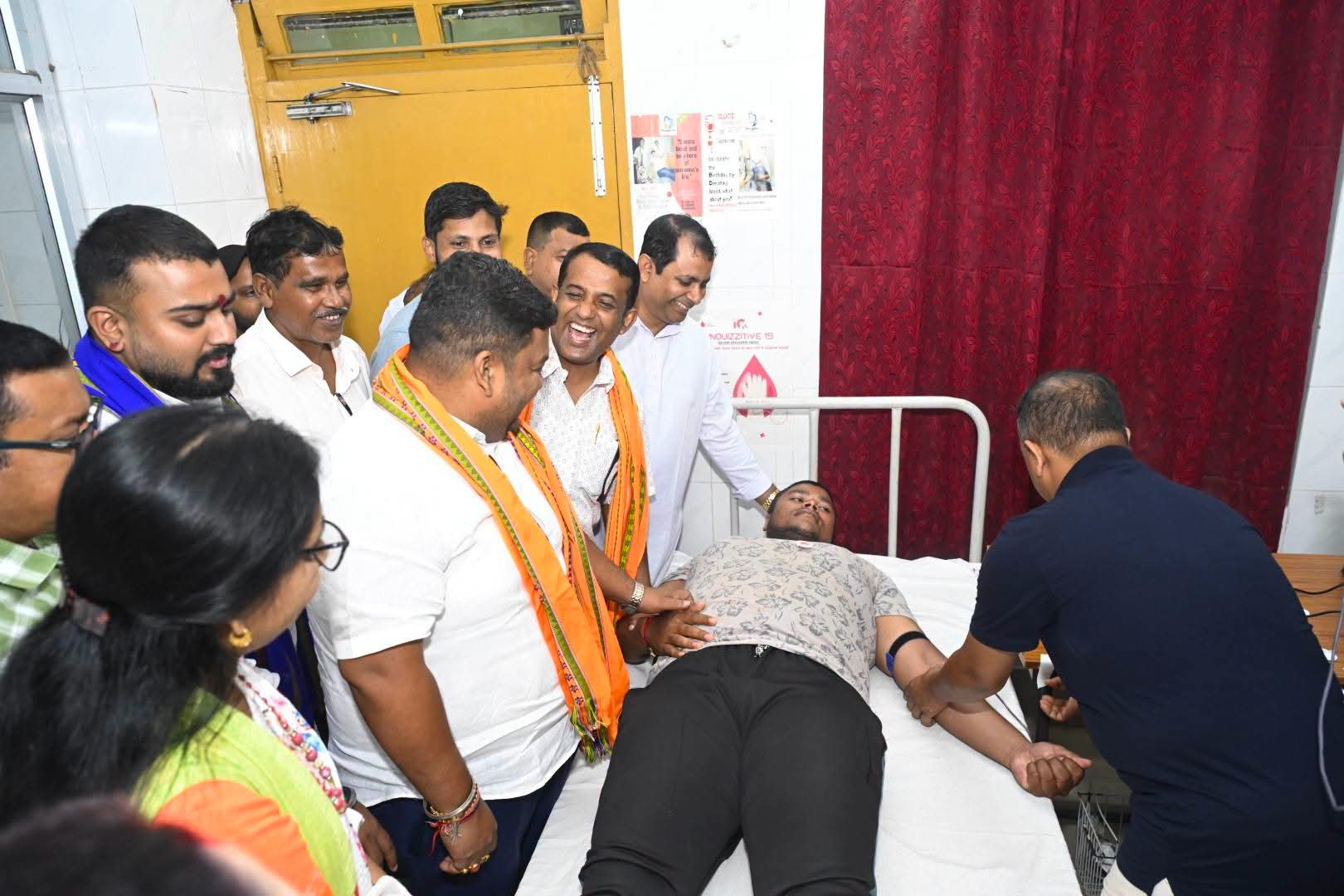
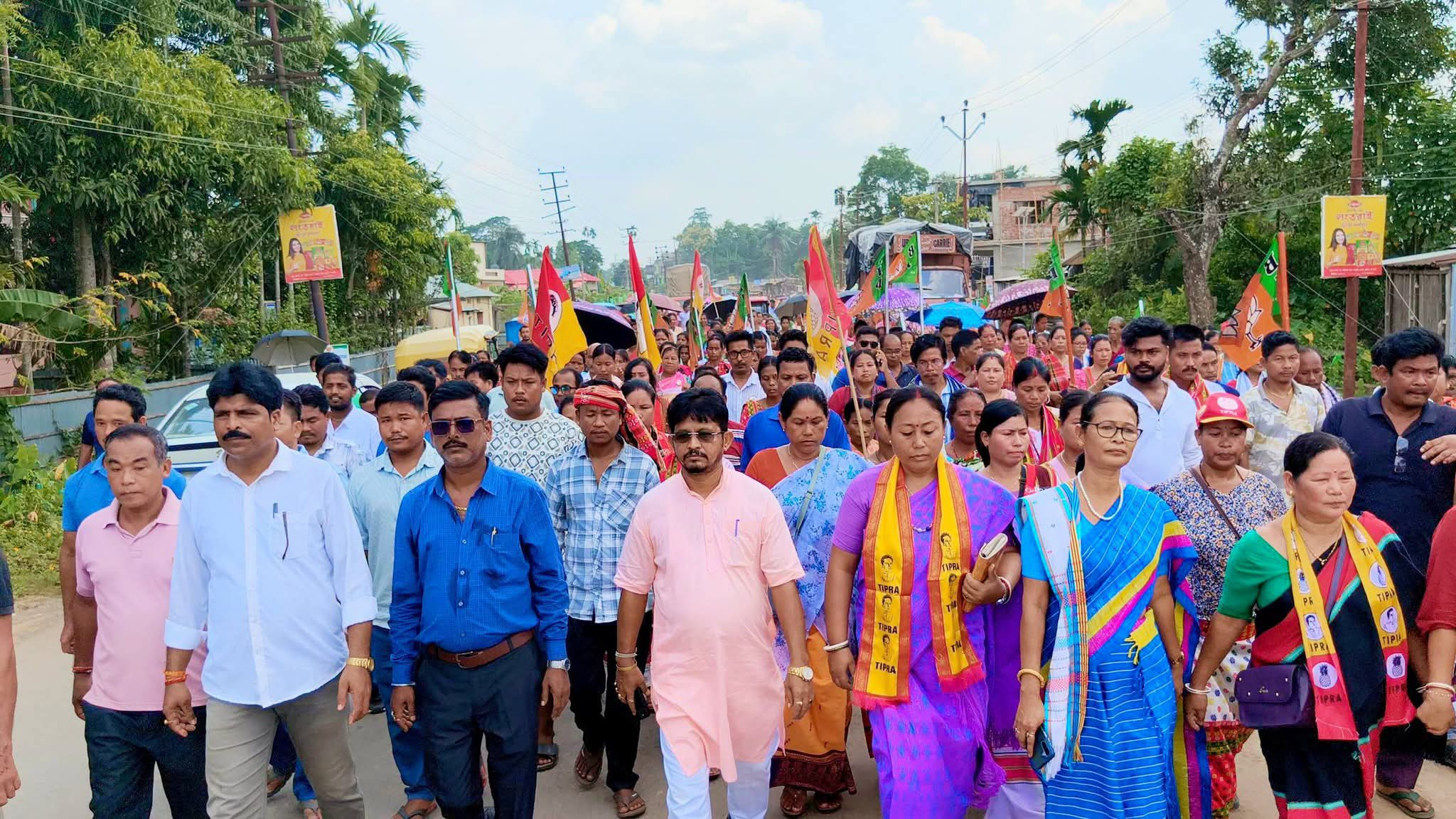
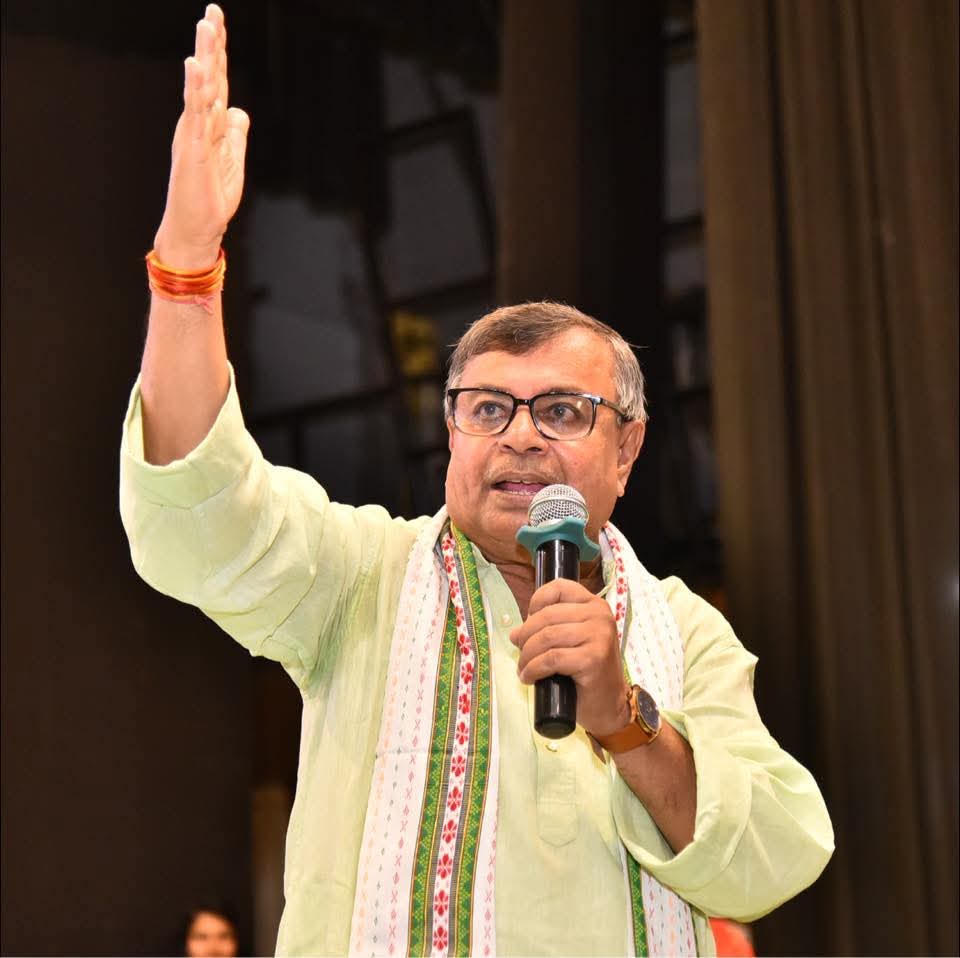
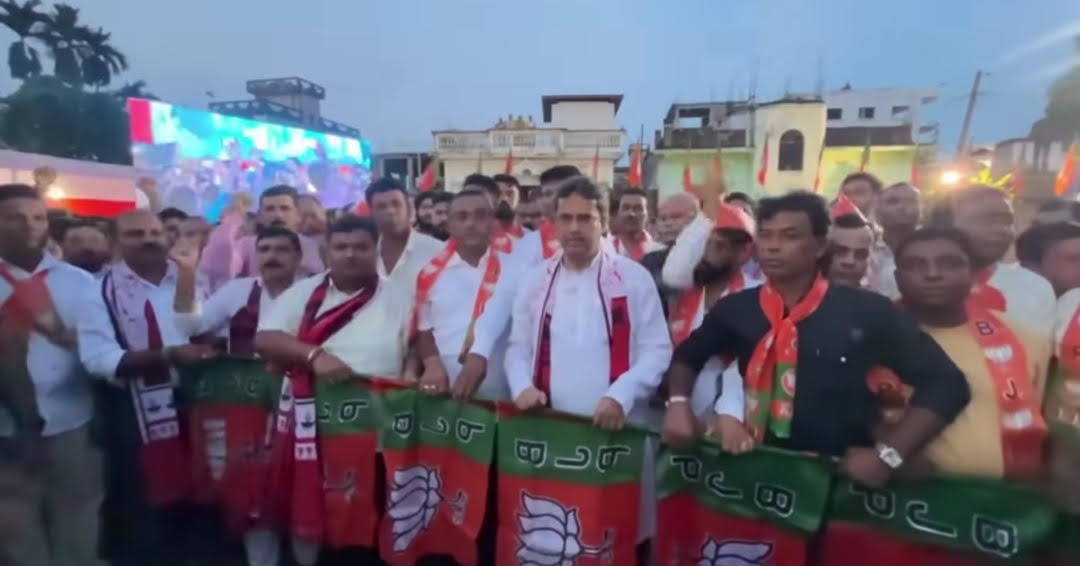
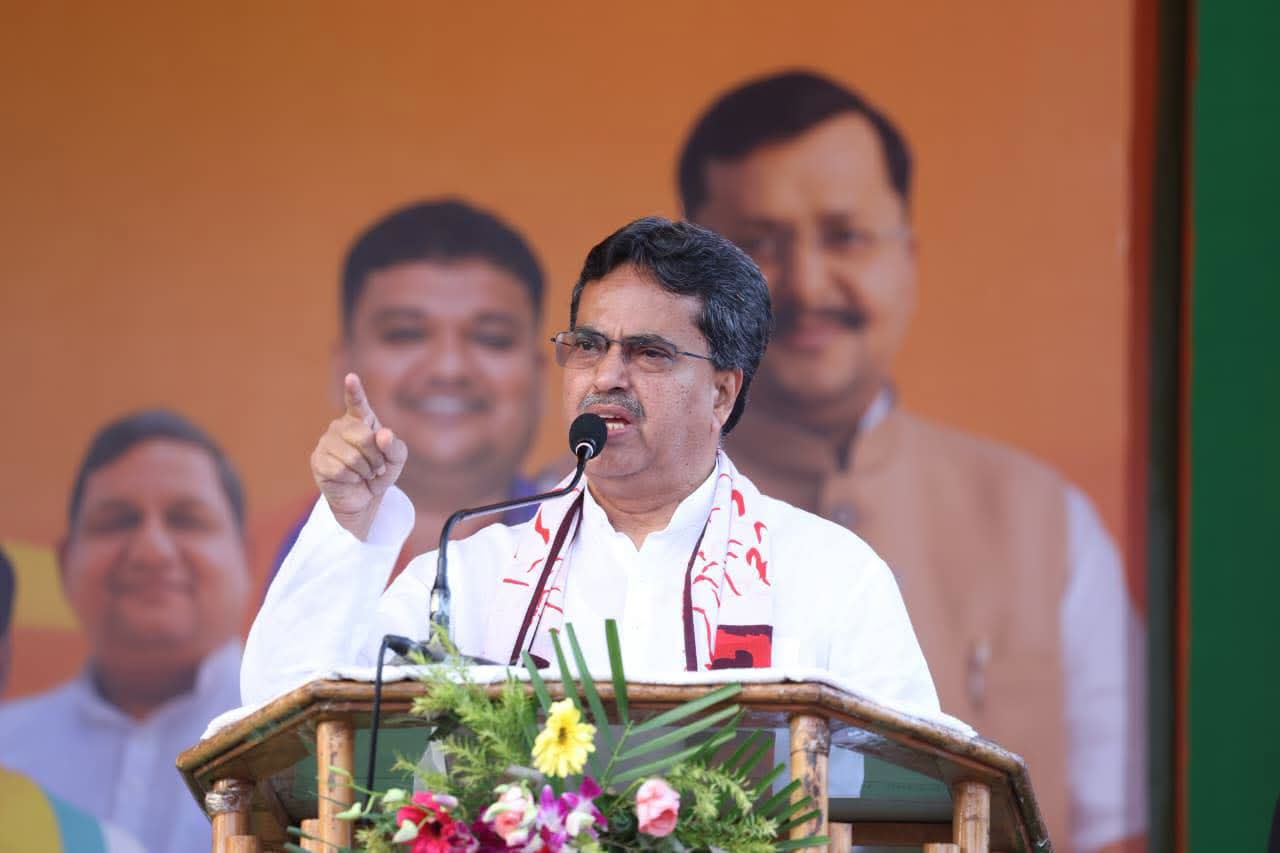
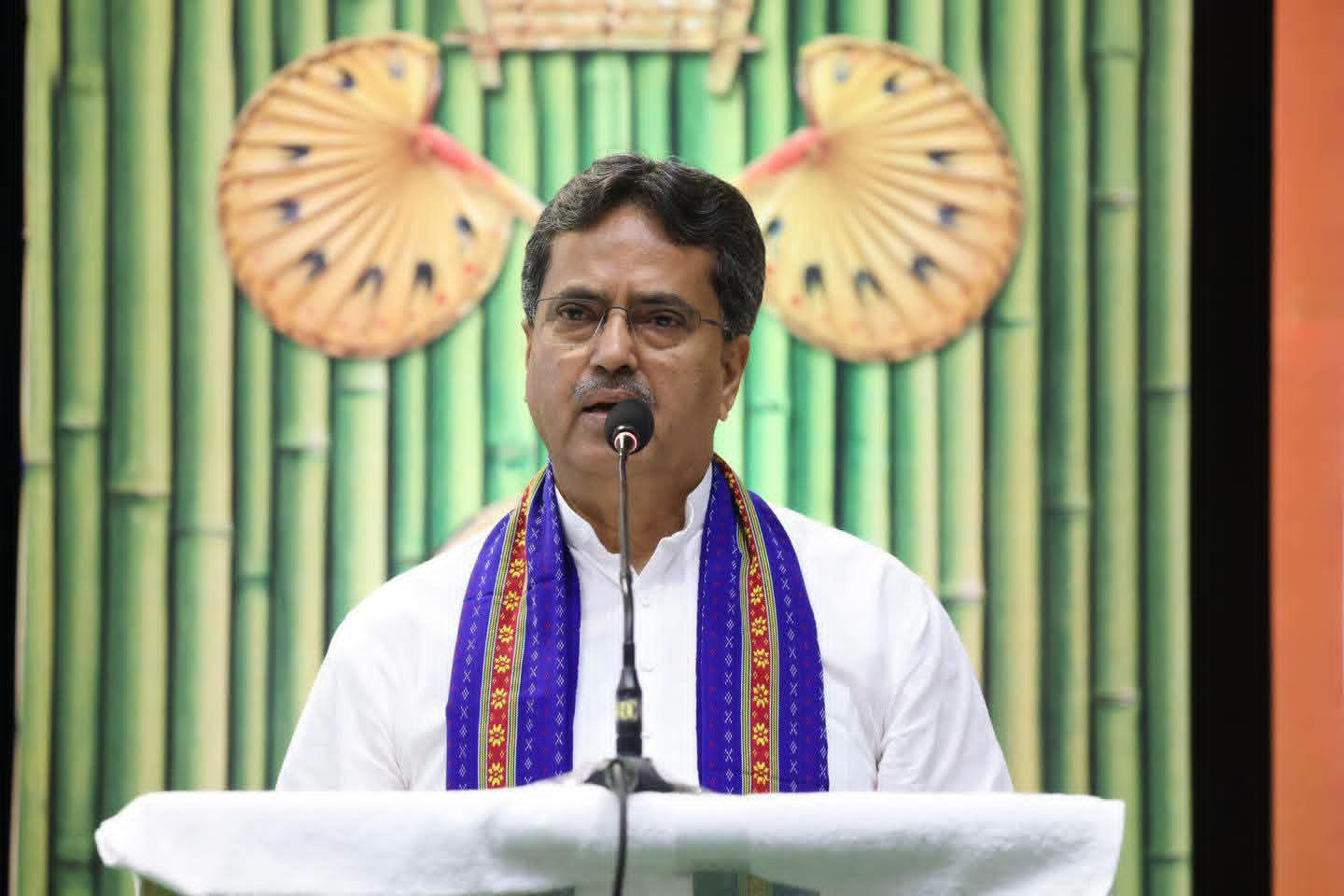
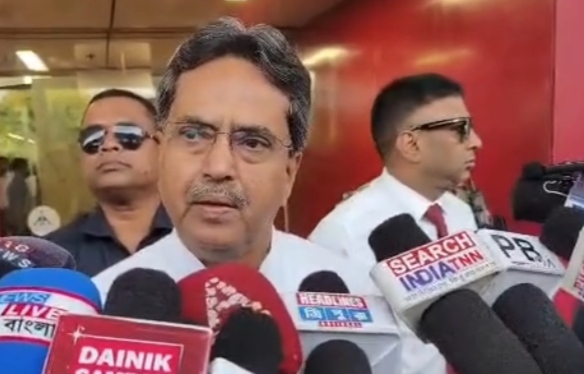
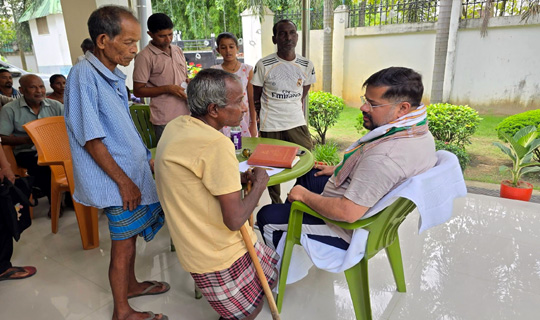
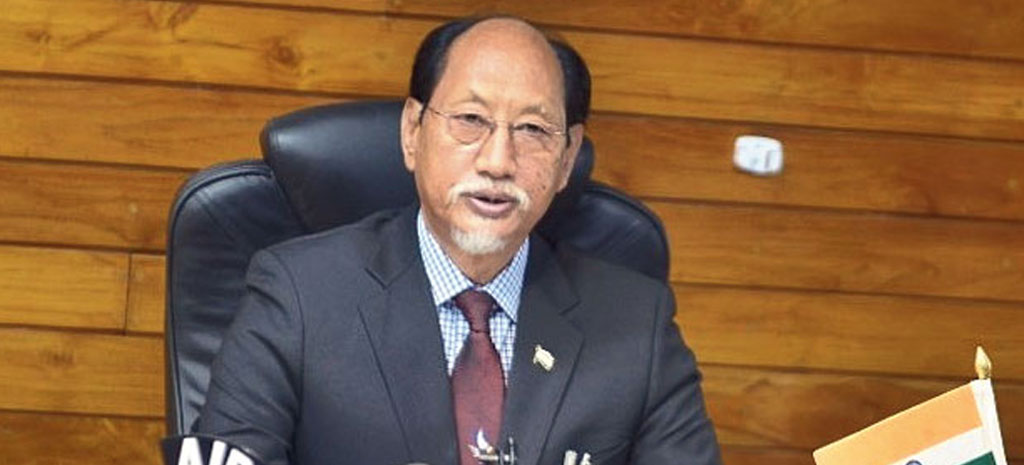
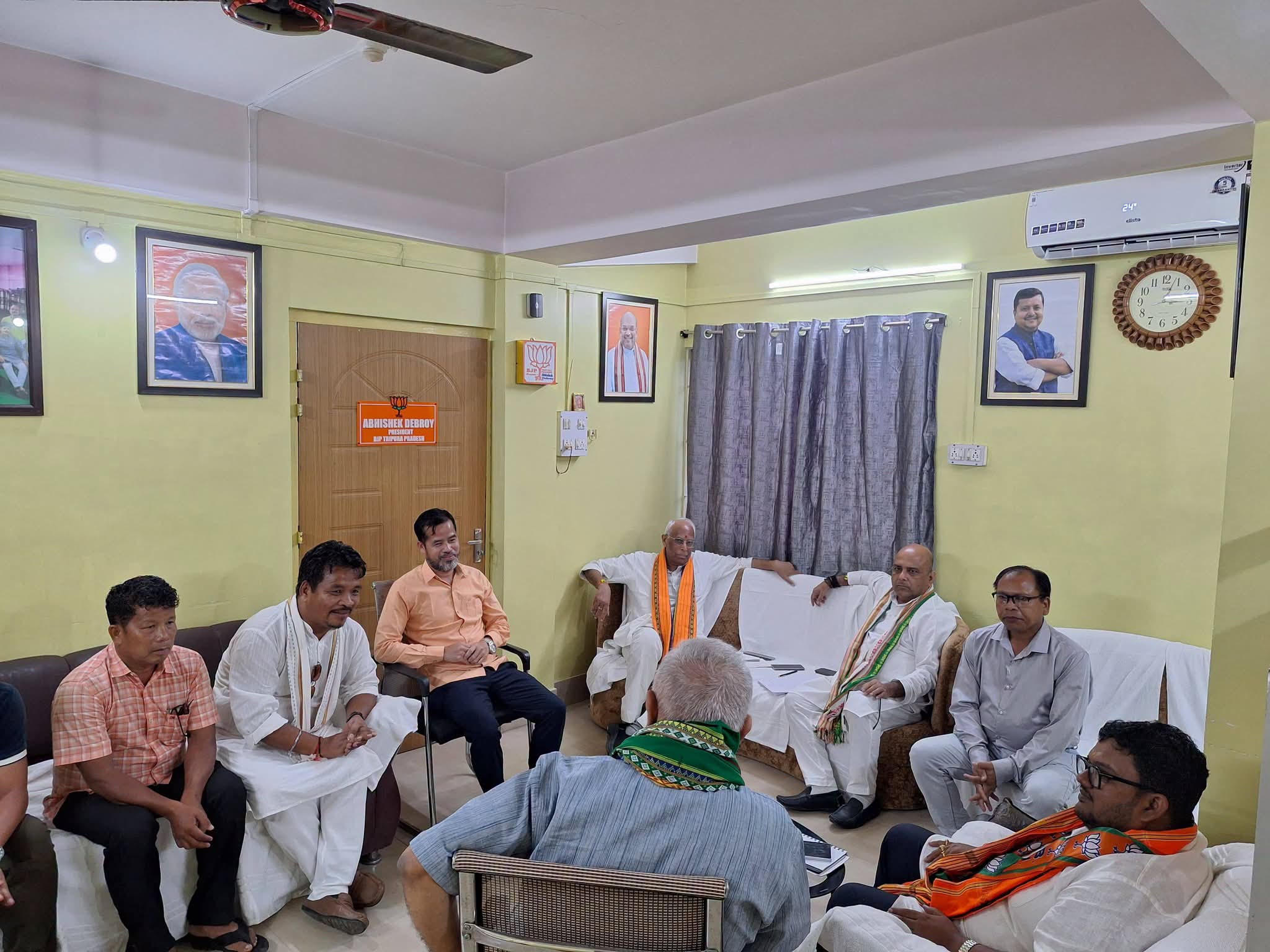
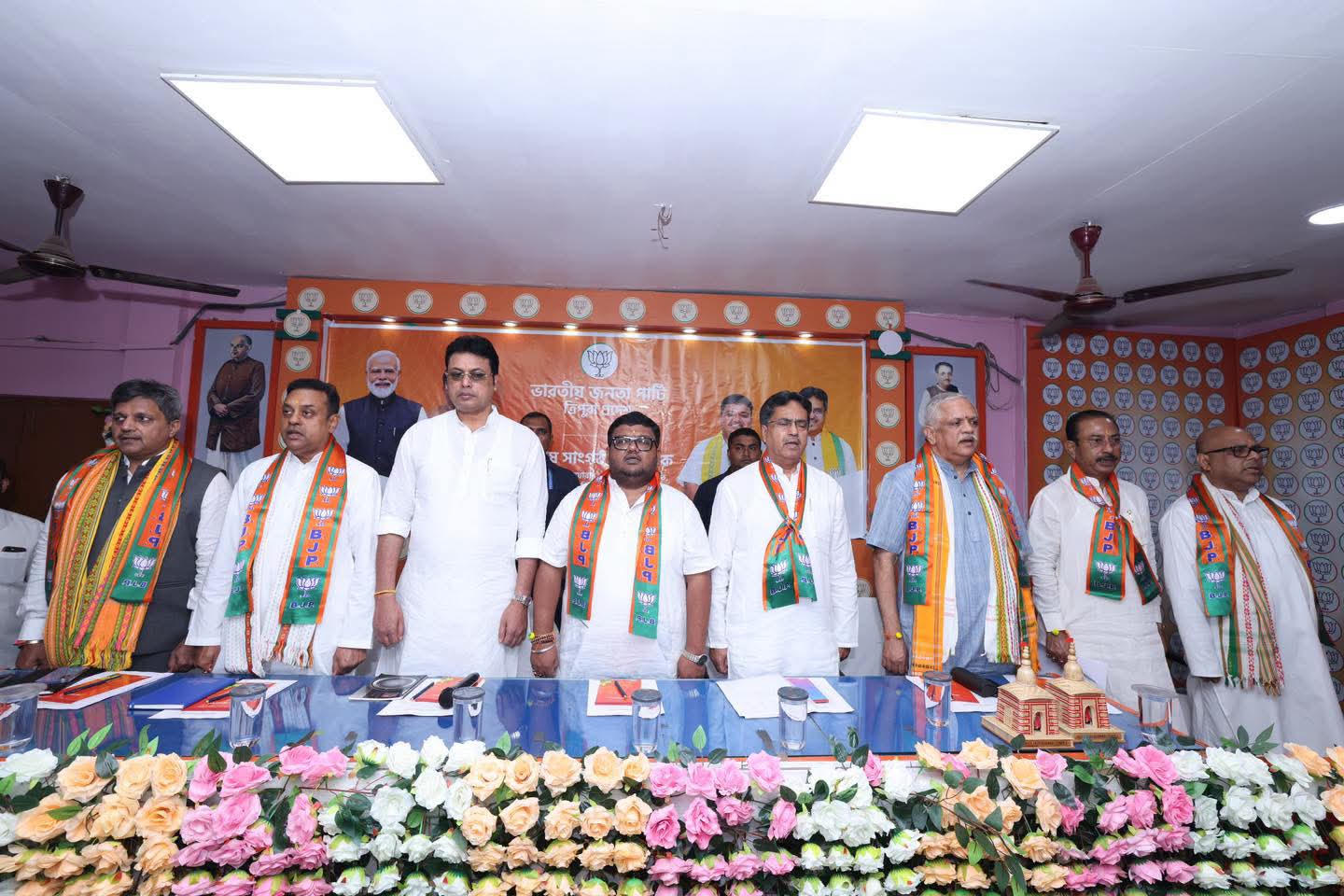
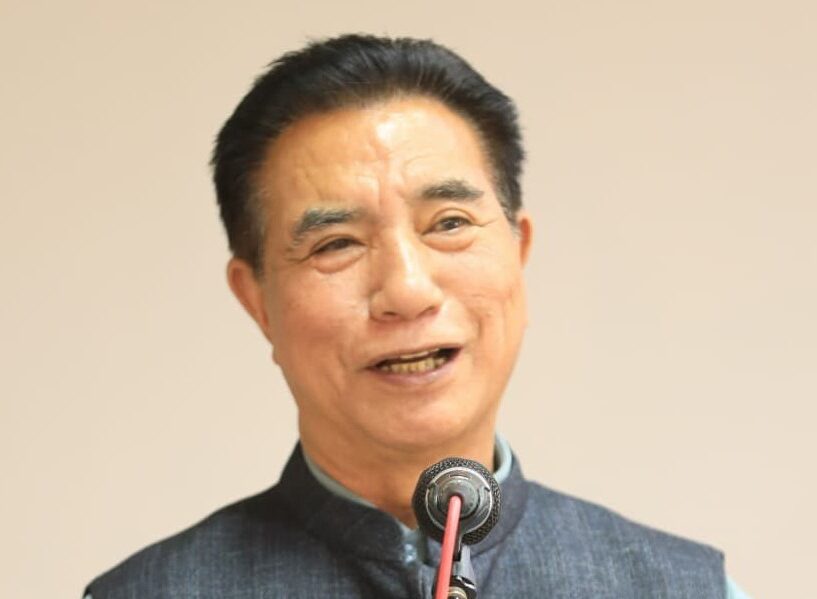
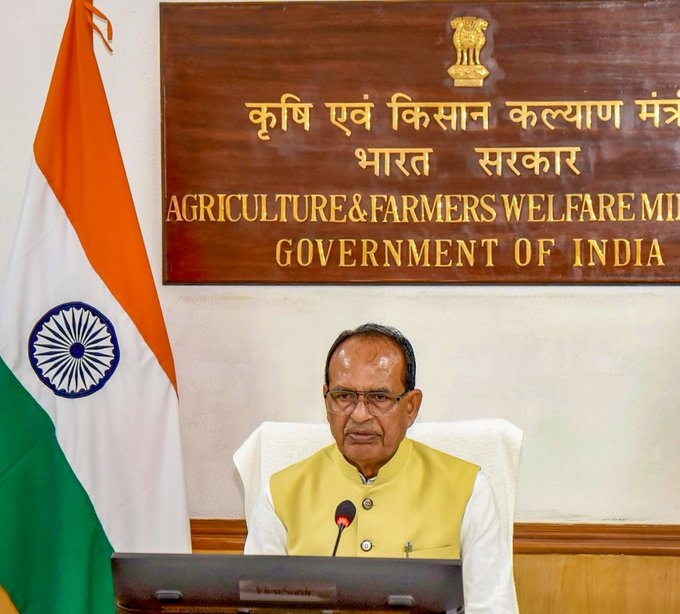
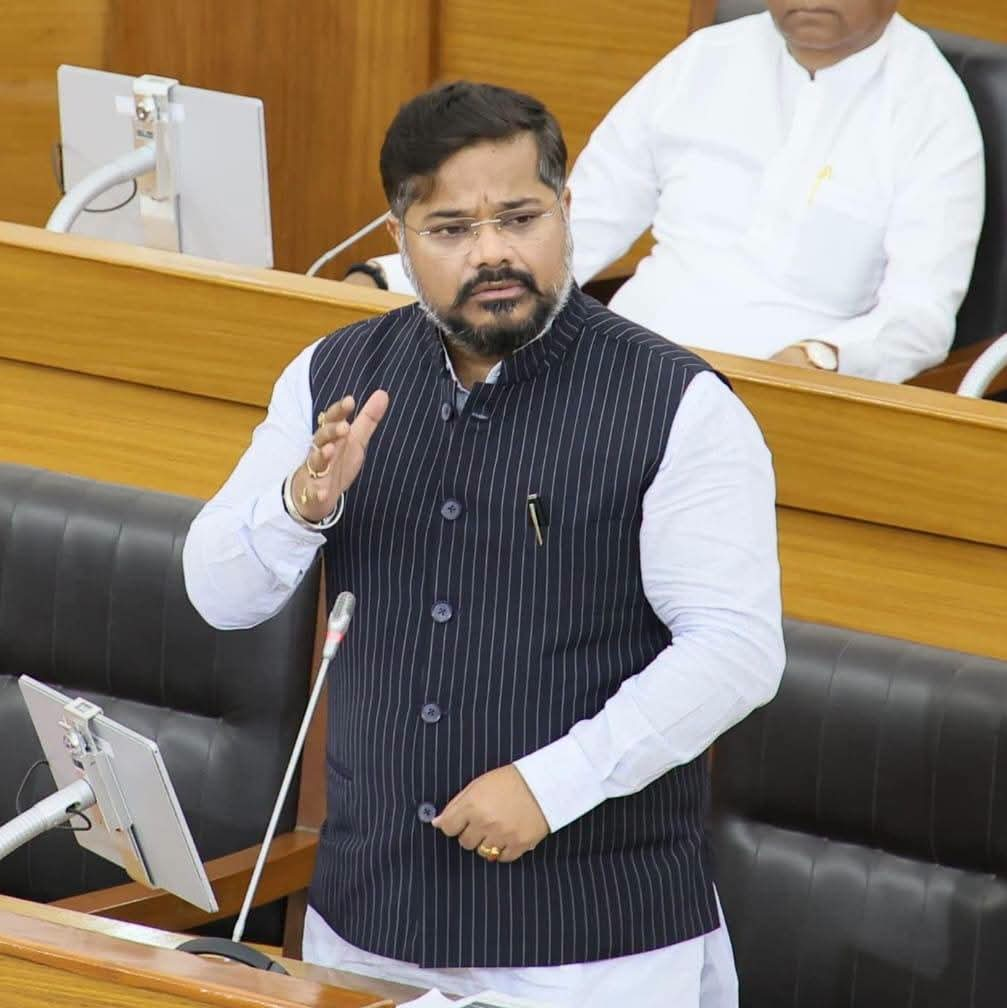
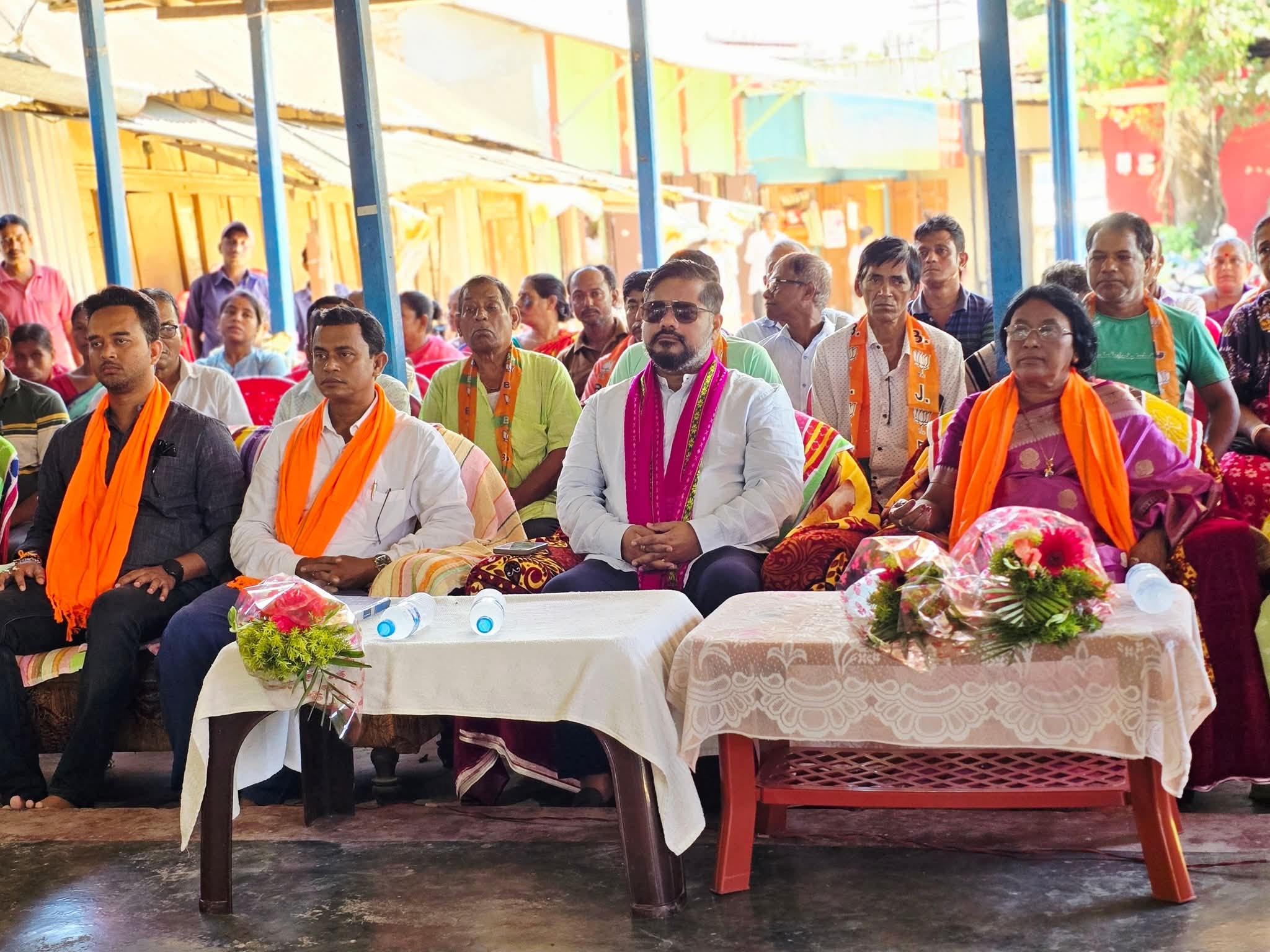
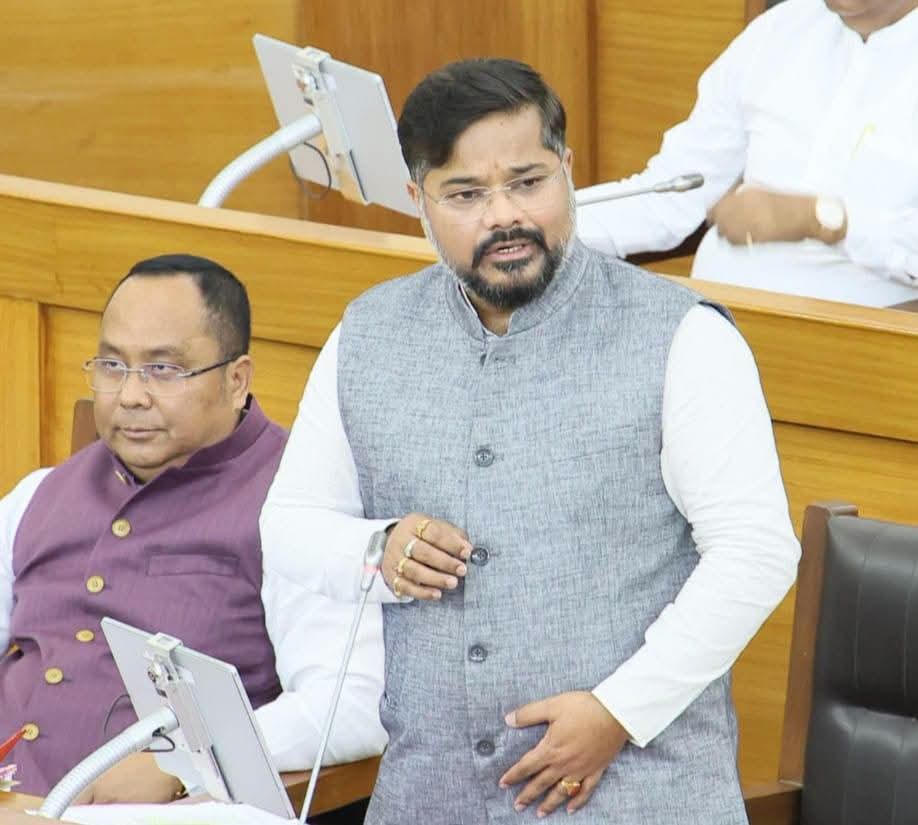
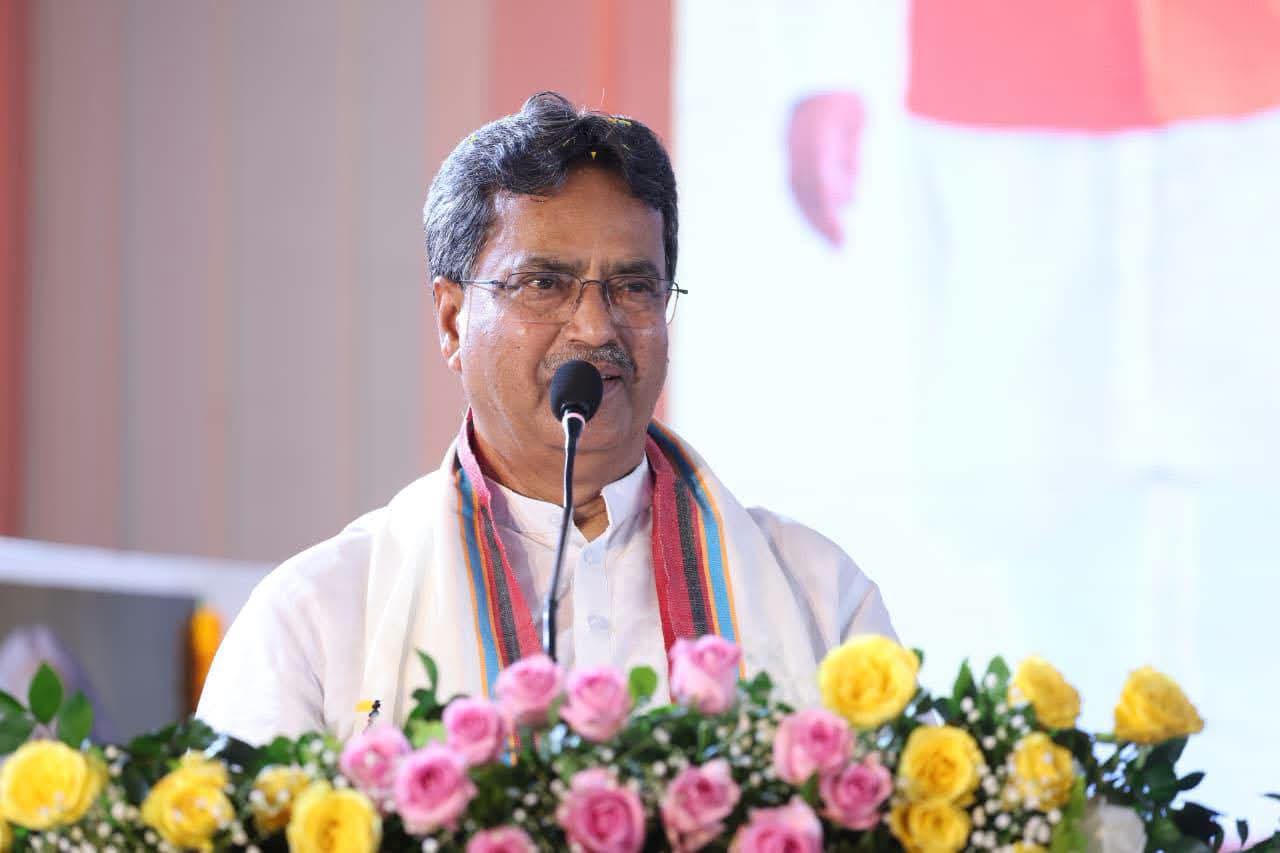
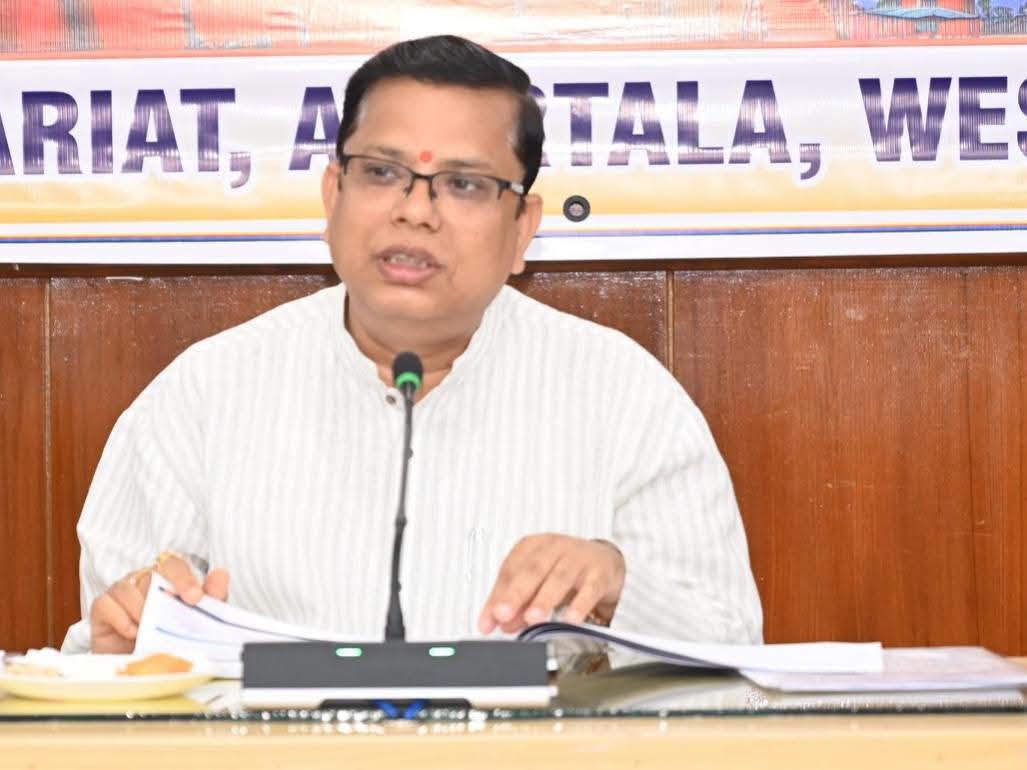
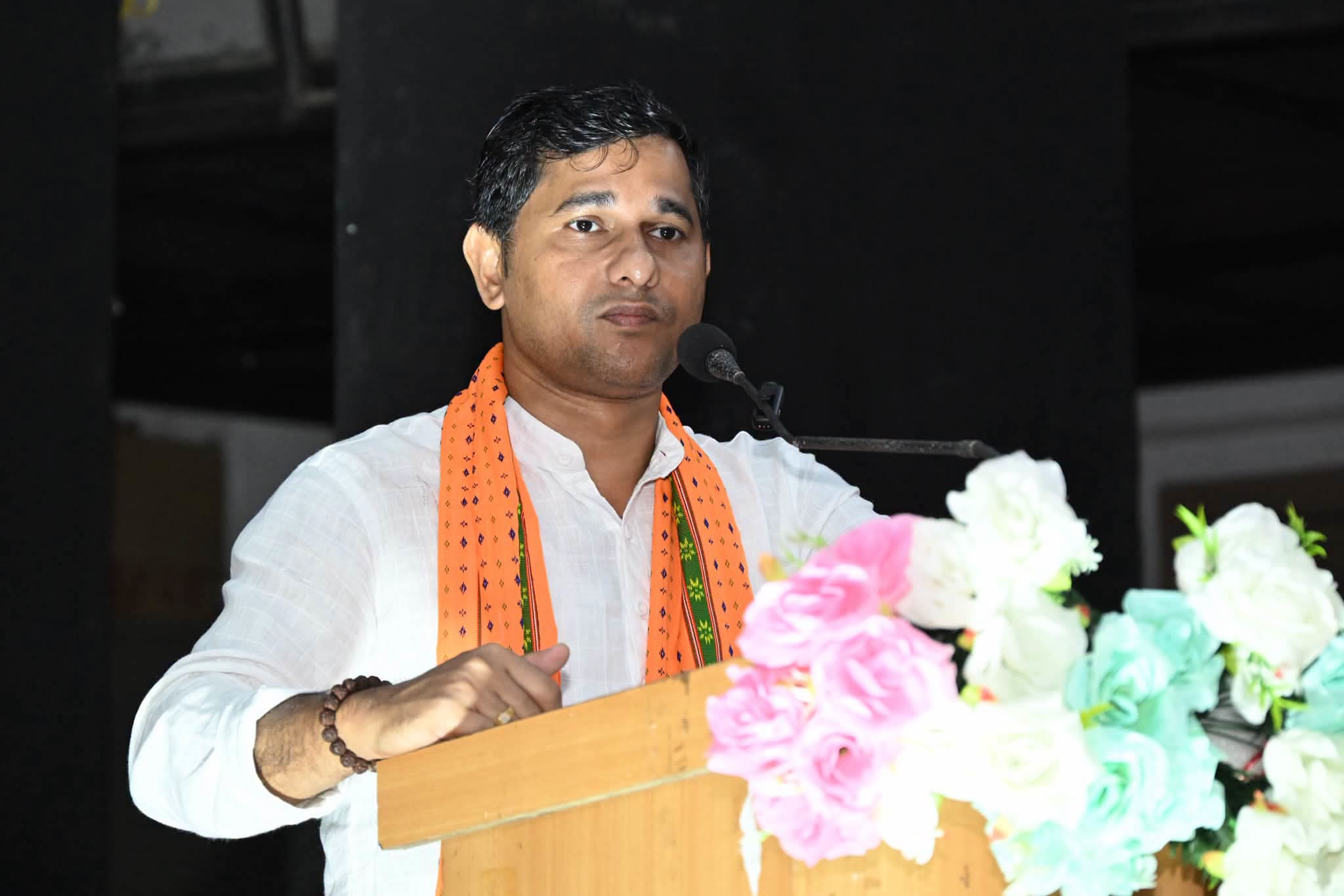
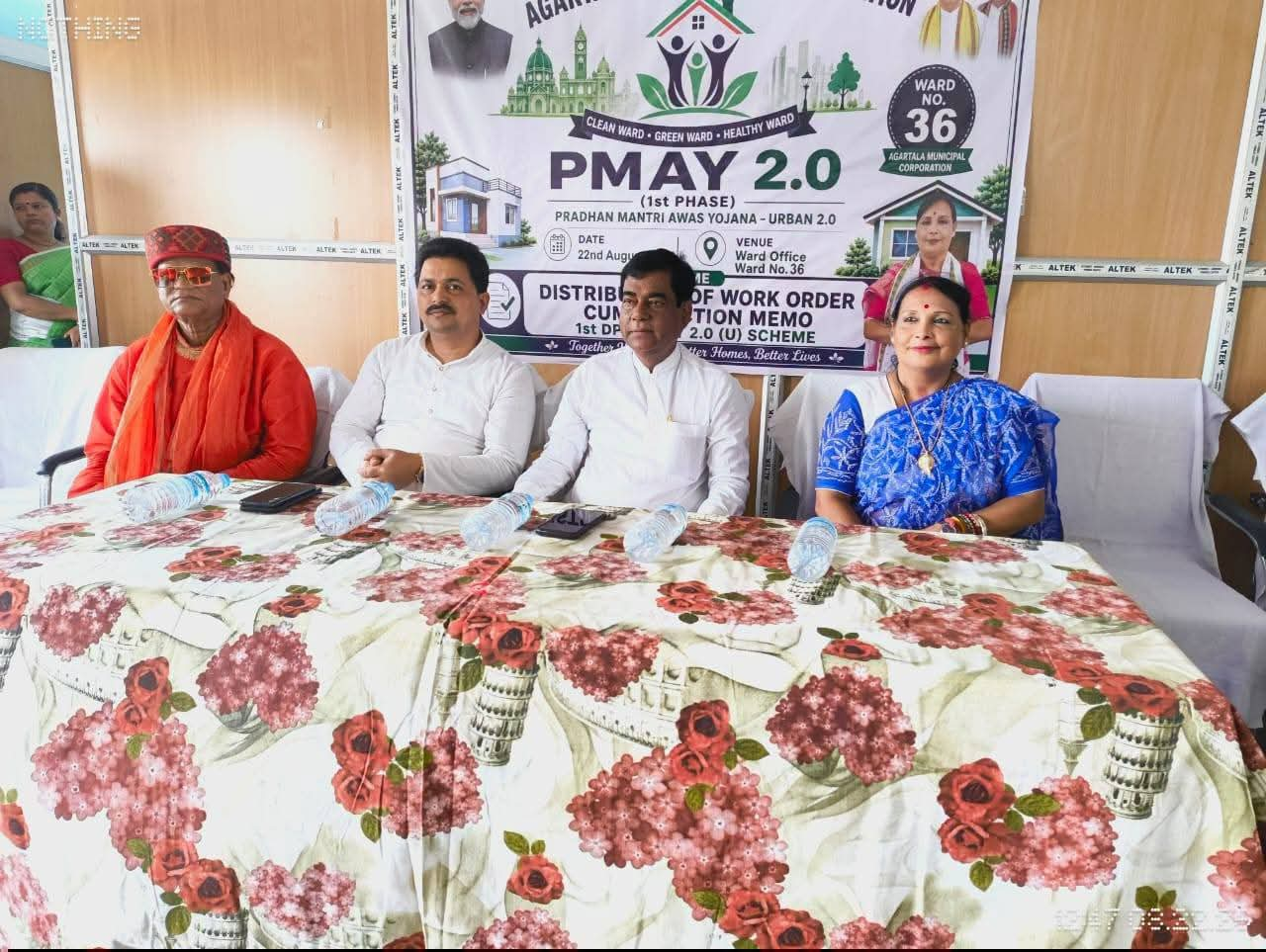
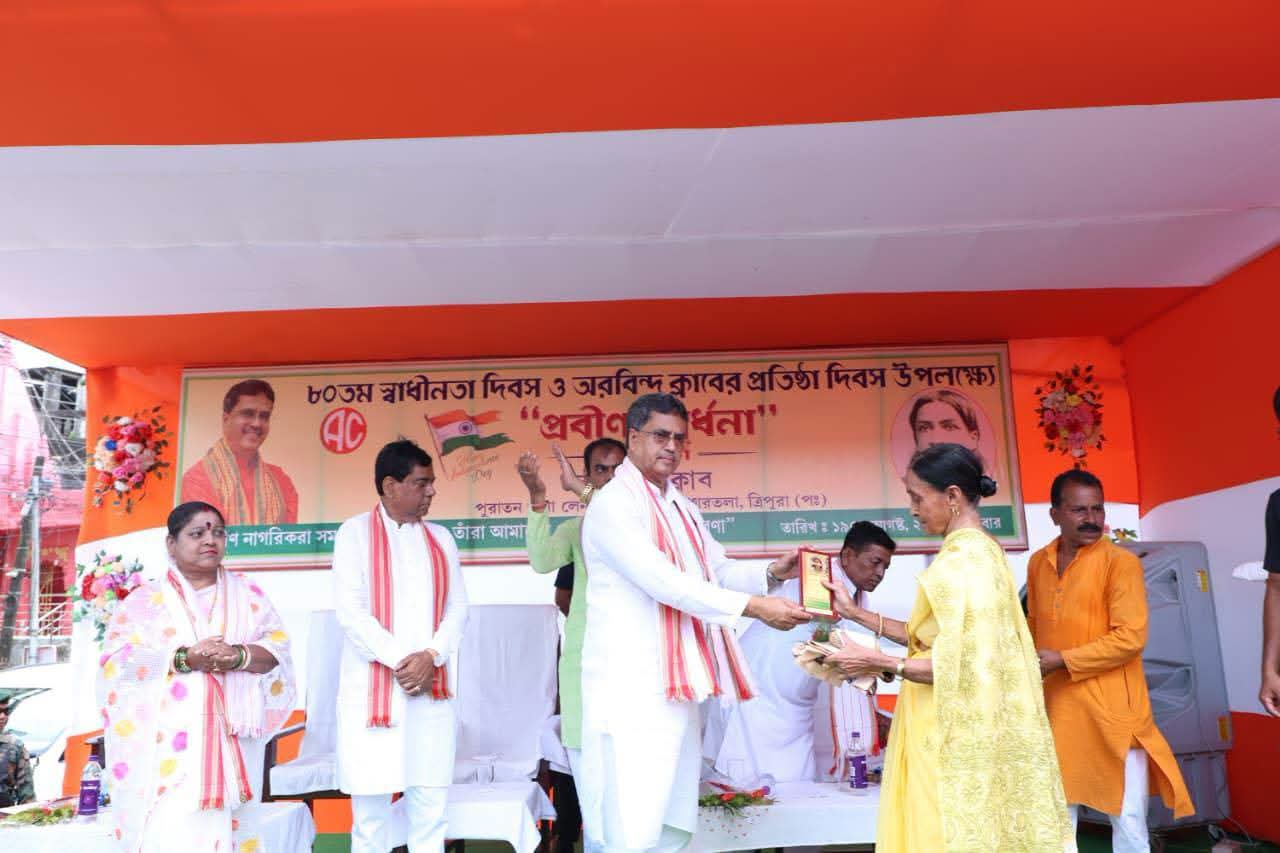
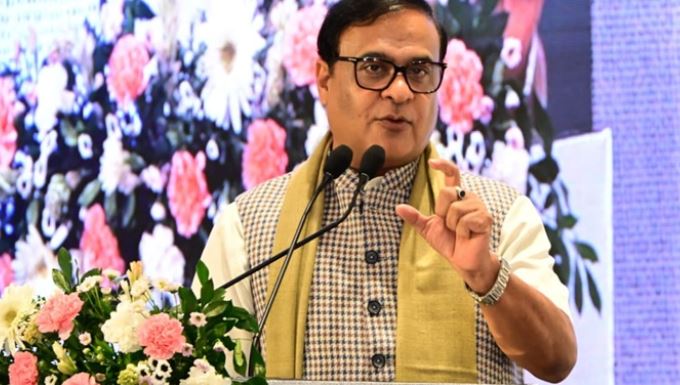
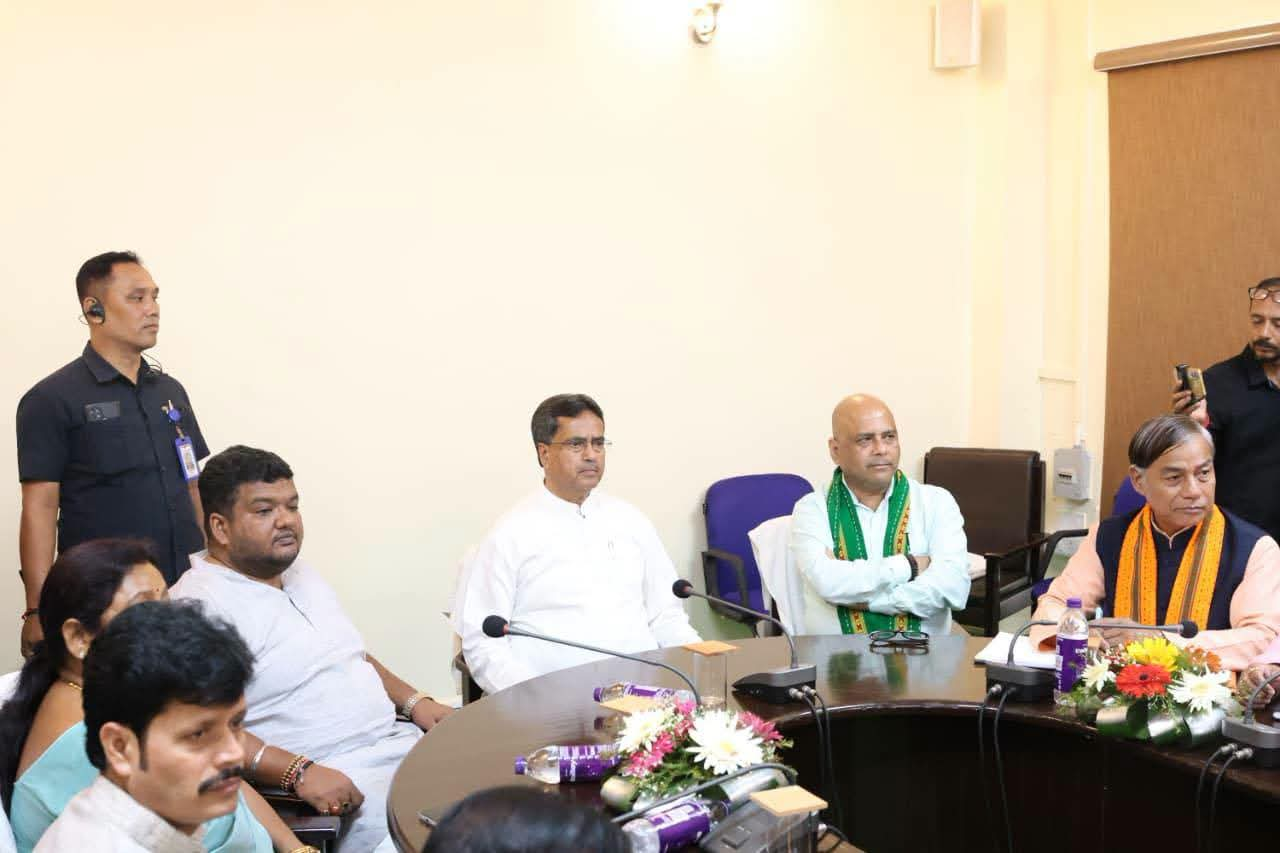
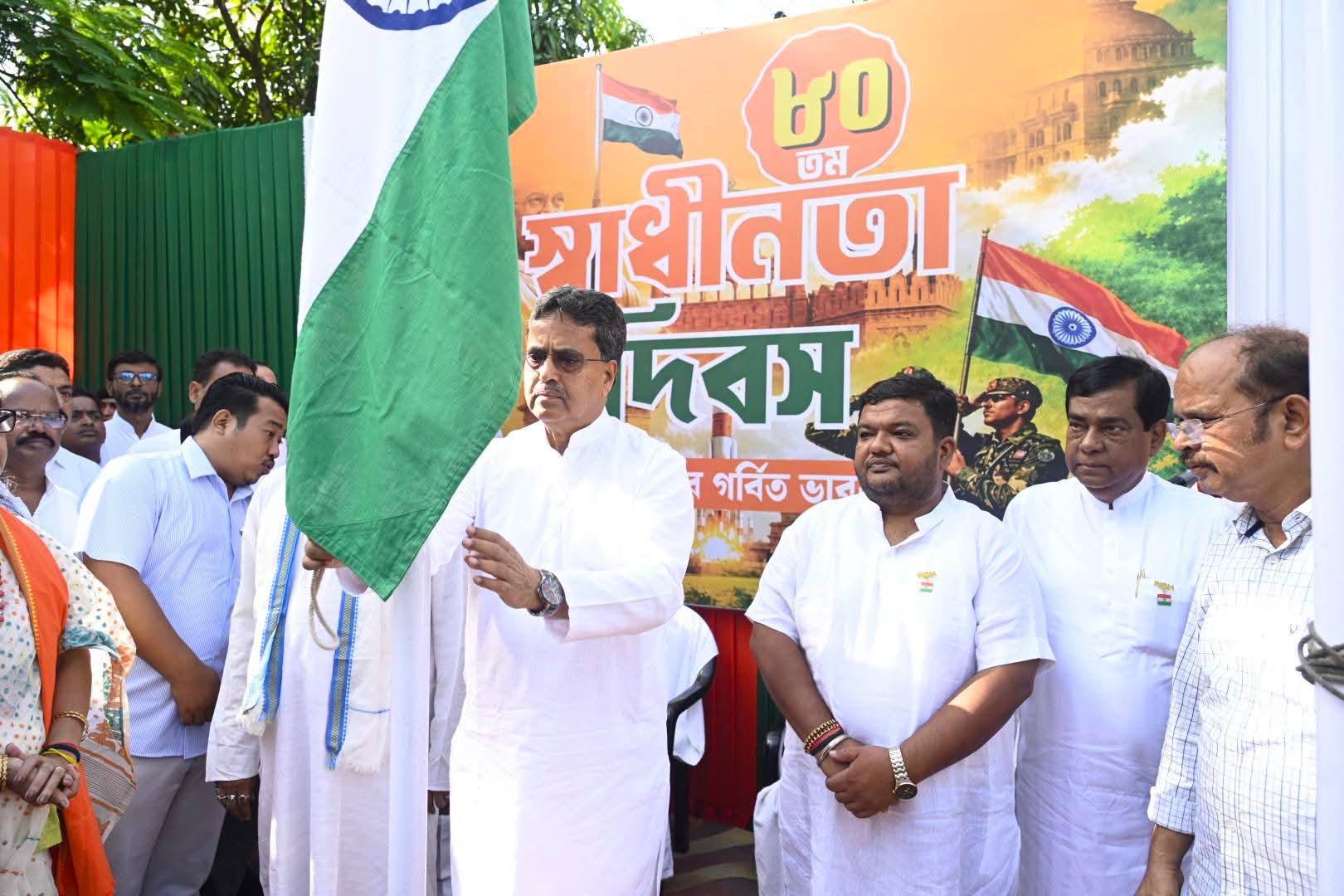
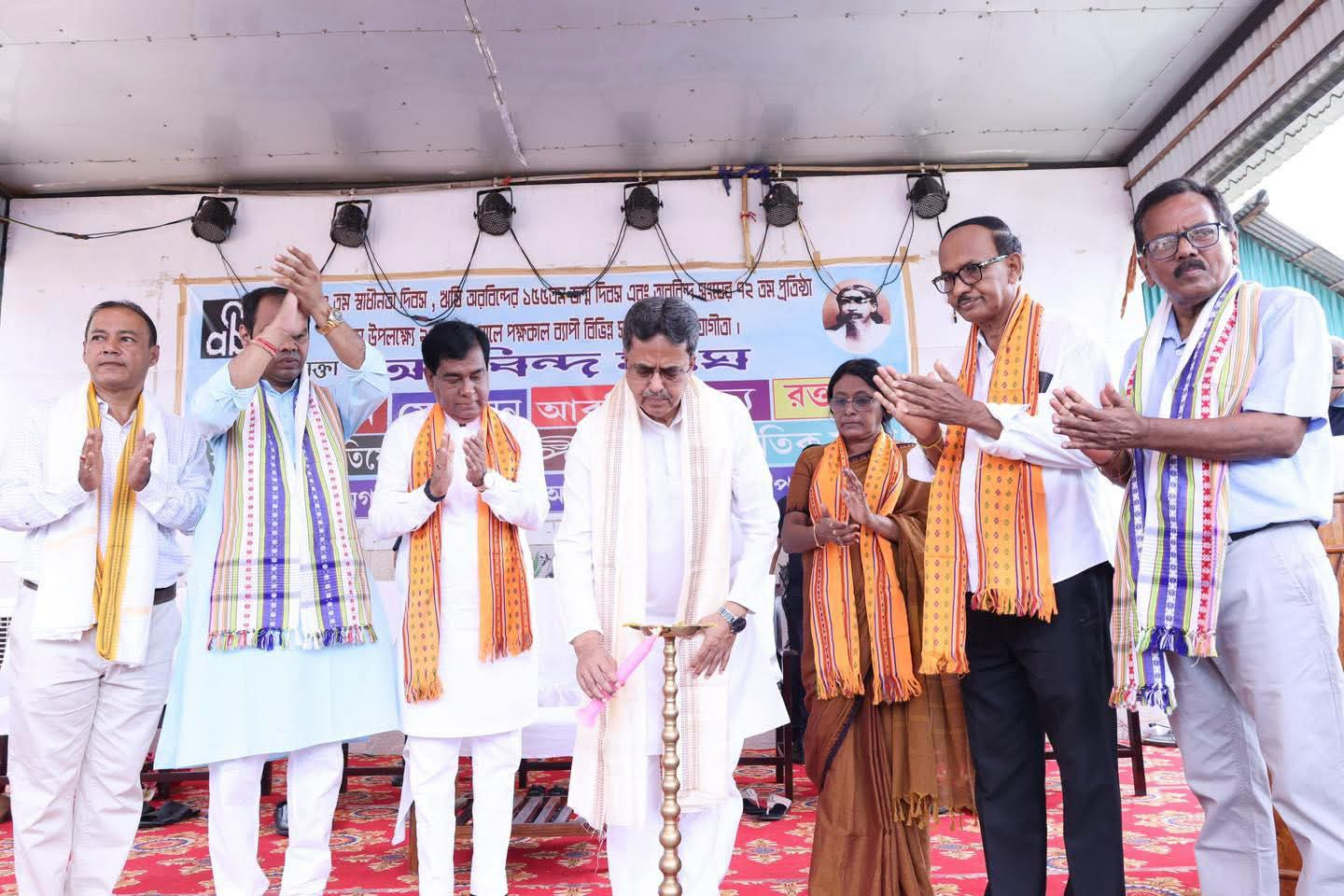
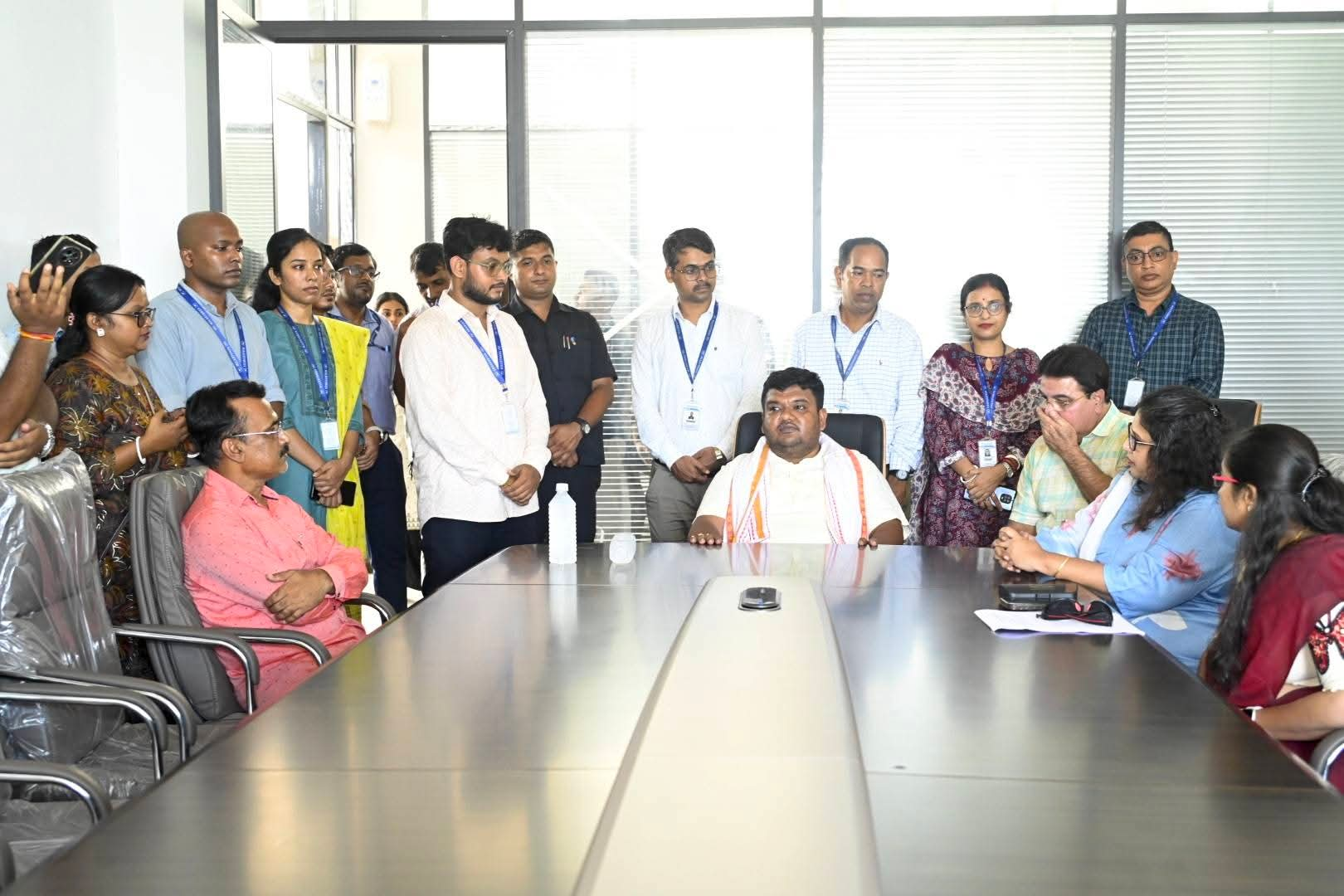
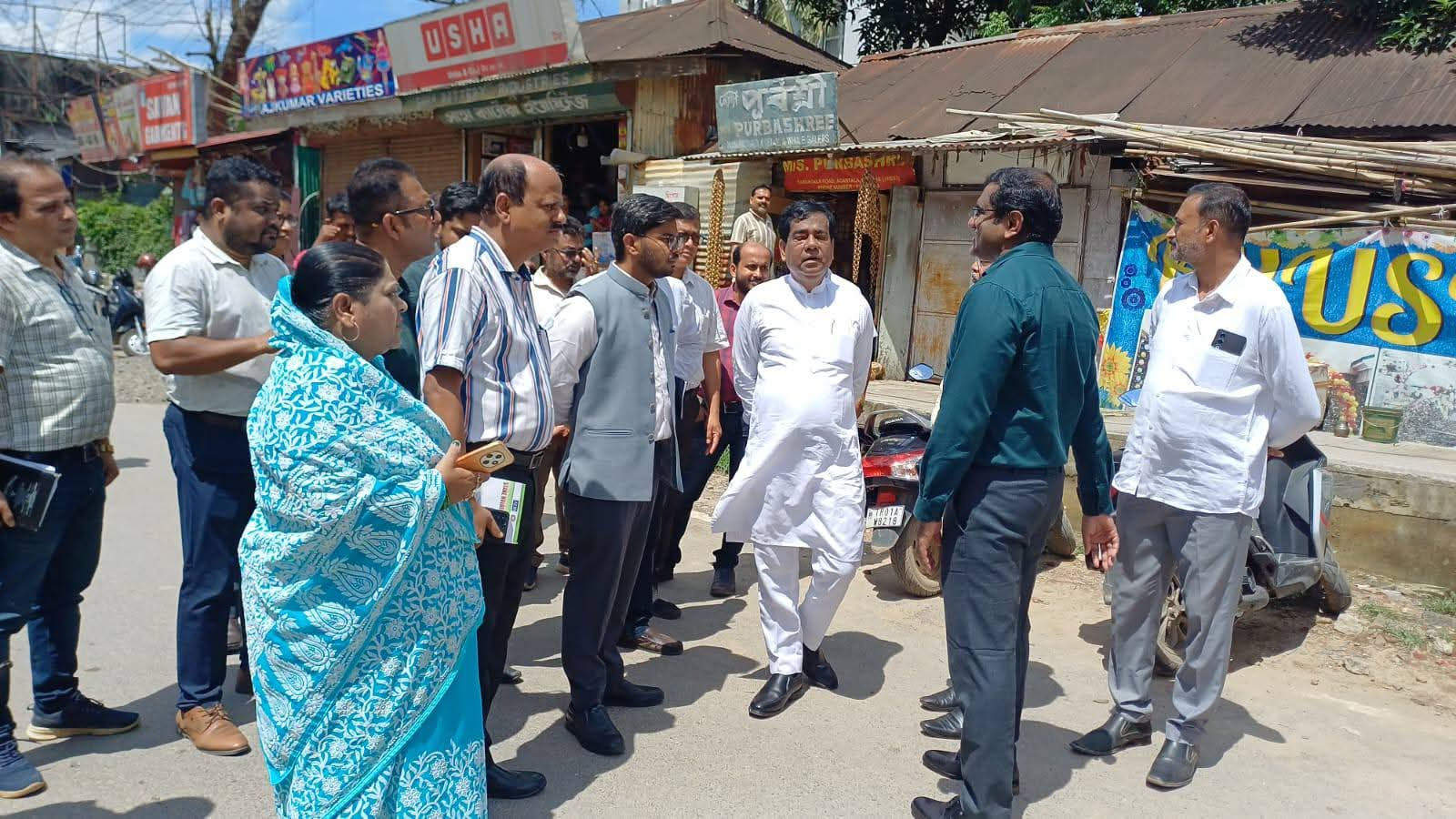
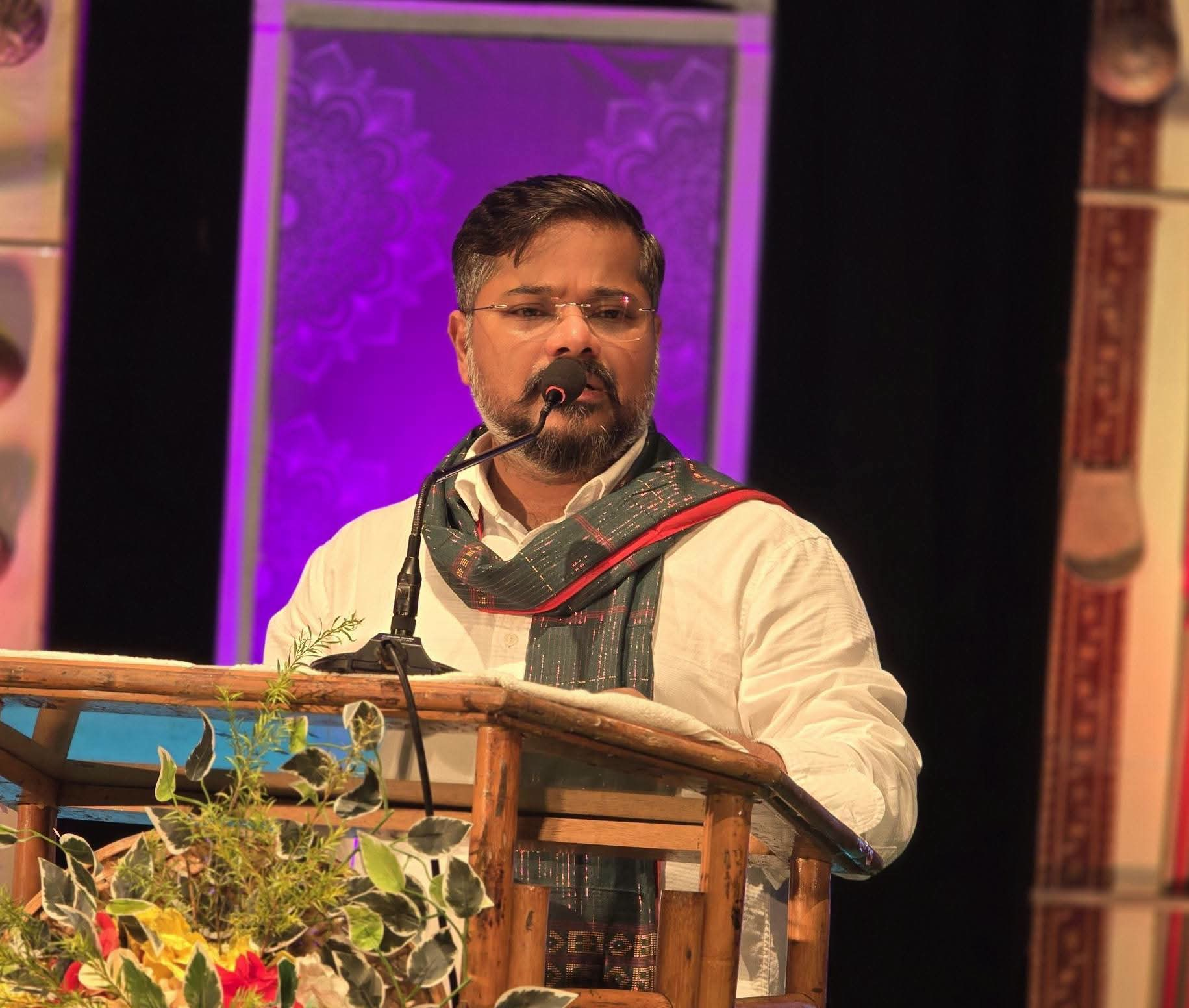
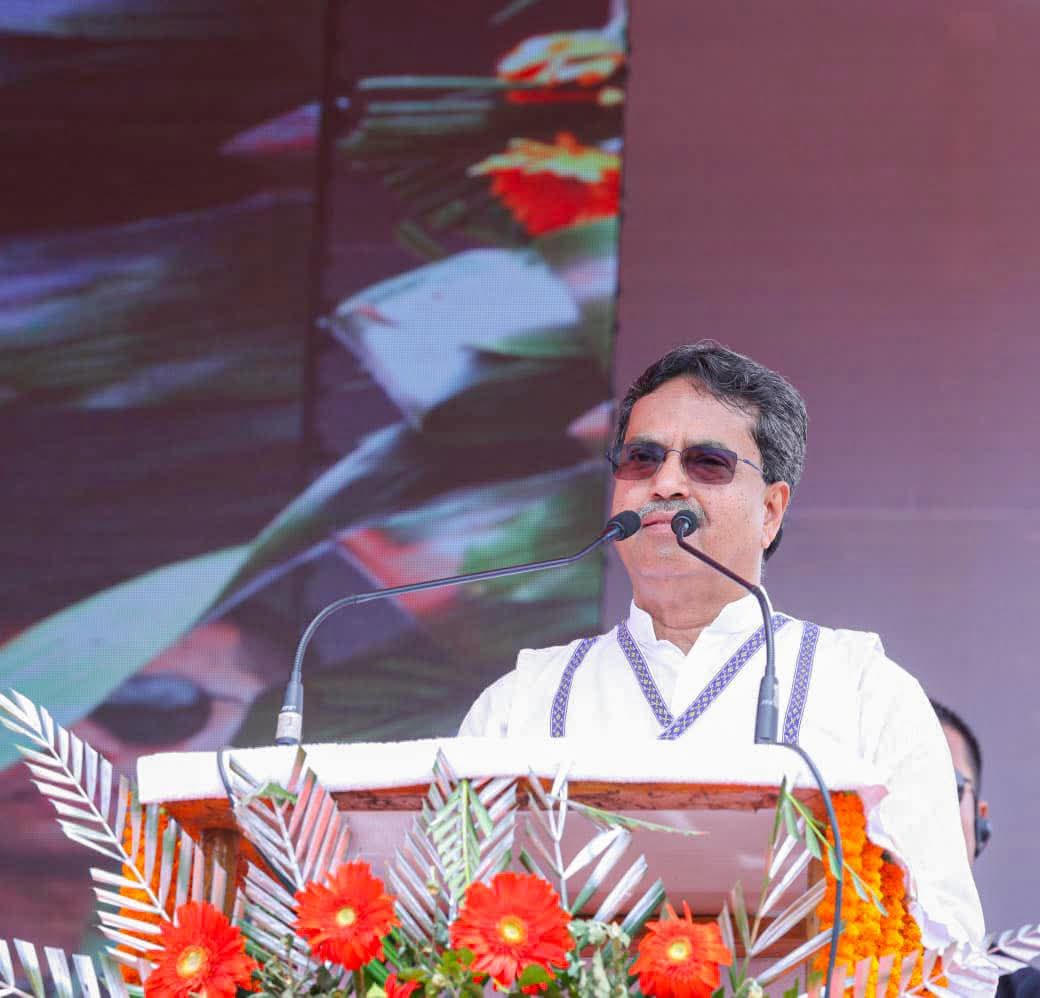
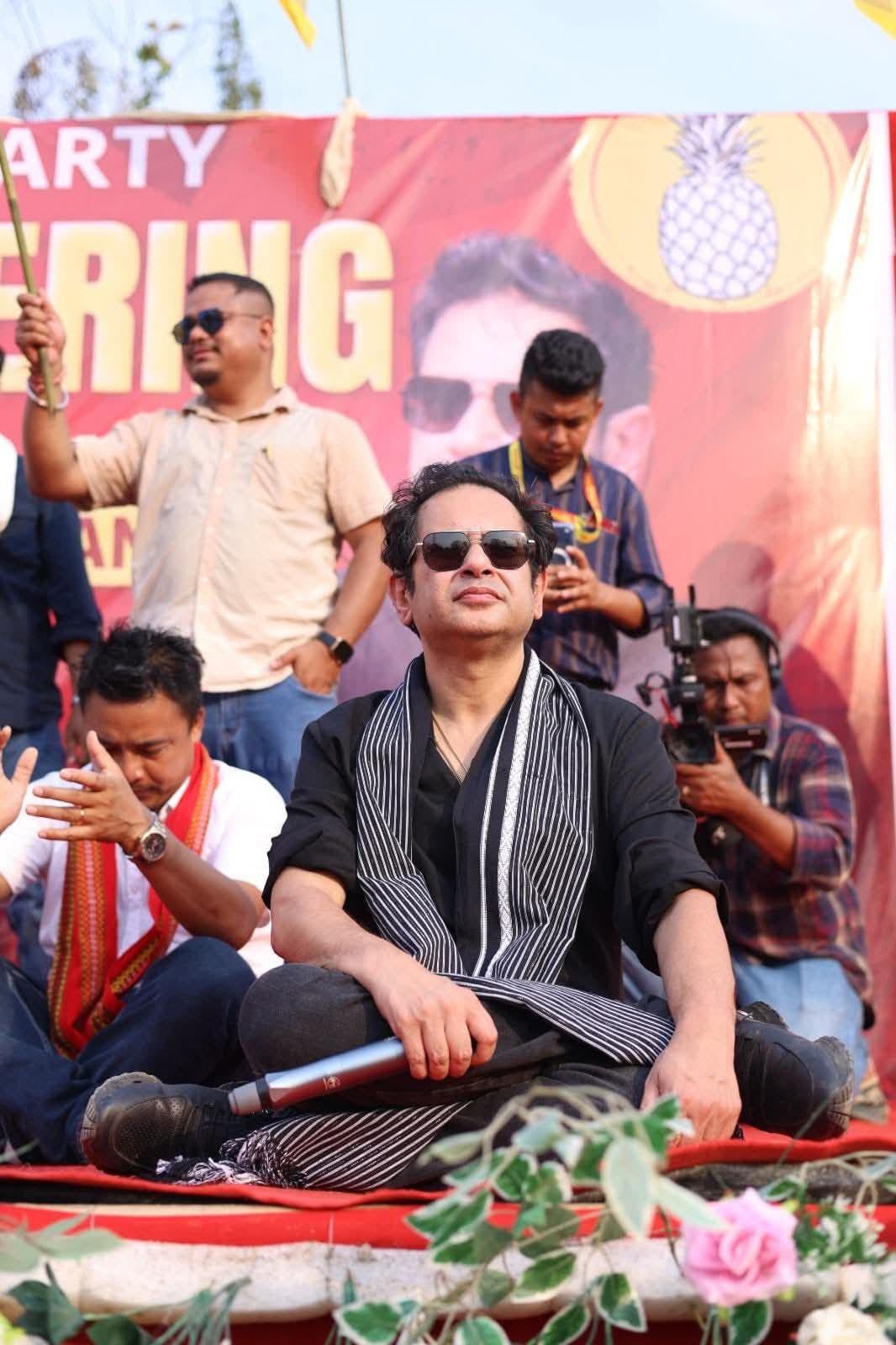
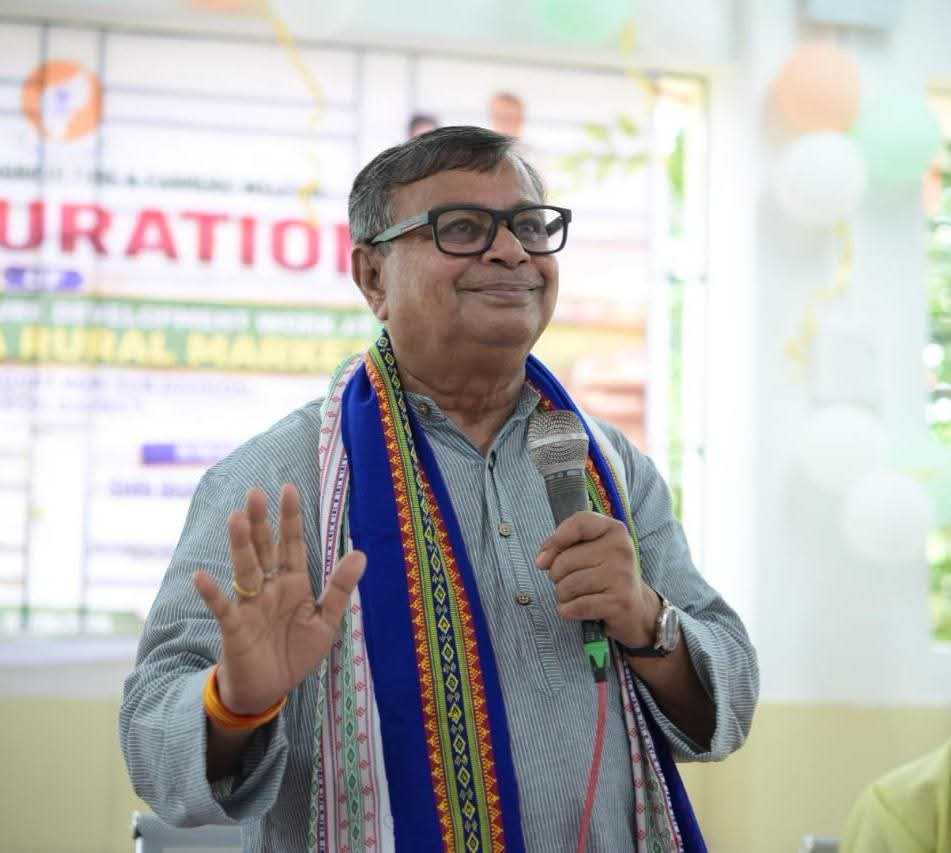
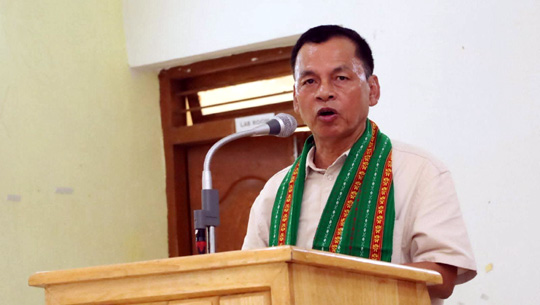
Agartala: Power, Agriculture and Farmers’ Welfare Minister Ratan Lal Nath on Friday said the Bharatiya Janata Party’s political philosophy centres on the welfare of people and the development of the most deprived sections of society. Nath was speaking at a felicitation programme for senior citizens organised by the Mohanpur Mandal at the Mohanpur Motor Stand as part of the BJP’s month-long ‘Seva Sankalp’ programme marking Prime Minister Narendra Modi’s birthday. Calling the initiative a “service resolution” rather than a birthday celebration, Nath said the BJP had undertaken a series of programmes aimed at serving society. He said Modi’s public life had focused on development and welfare, particularly of those at the bottom of the socio-economic ladder.
Drawing a distinction between the development of infrastructure and broader human development, Nath said development should not be measured only by the construction of roads, buildings, health centres or industries, or by growth in GDP. “Development means the collective development of the physical, mental, intellectual and spiritual aspects of a person,” he said, explaining the BJP’s emphasis on what he described as ‘Ekatma Manav Darshan’. Nath said special attention was needed for economically disadvantaged people irrespective of their social background, including tribal communities, Scheduled Castes, OBCs and those belonging to the general category.
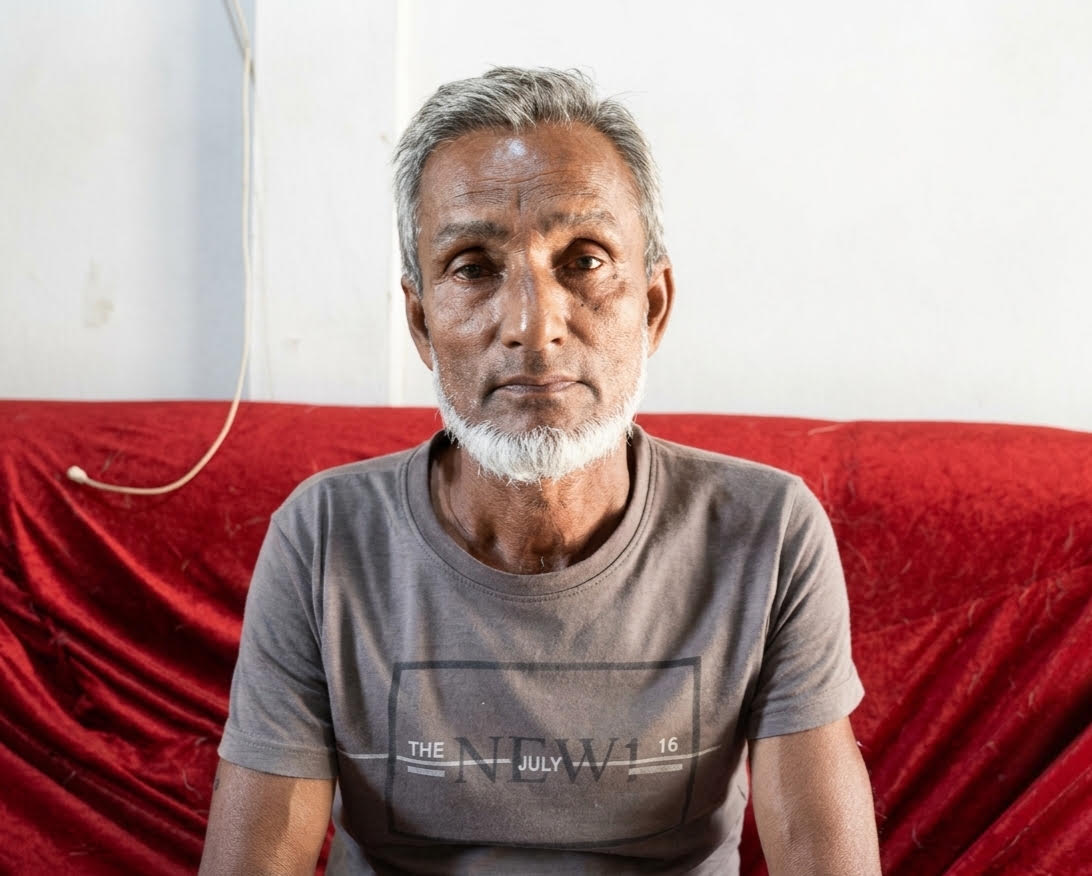
He said efforts should continue until people who lack basic necessities such as housing, adequate food and access to water are able to improve their living conditions. Referring to the ideas of Swami Vivekananda and Deendayal Upadhyaya, Nath said social service and the welfare of the underprivileged remained central to the party’s approach. During the programme, senior citizens were felicitated and interacted with the minister on various issues concerning development. The organisers also arranged refreshments and distributed copies of the Bhagavad Gita and shawls among the elderly participants.