Sikkim’s journey in organic and natural farming is emerging as an important example of sustainable agriculture and rural development, aligning with the broader vision of a Viksit Bharat by 2047.
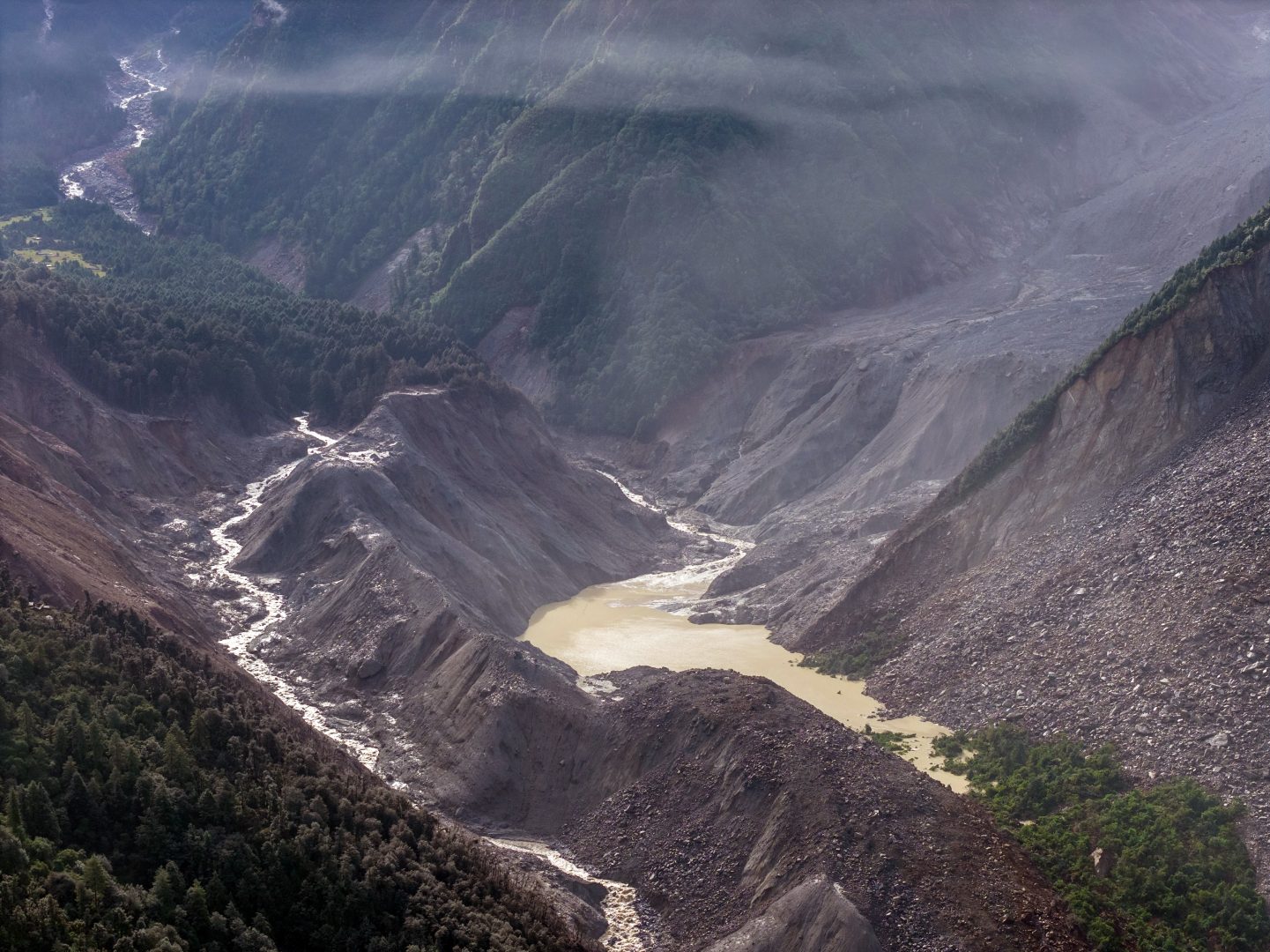
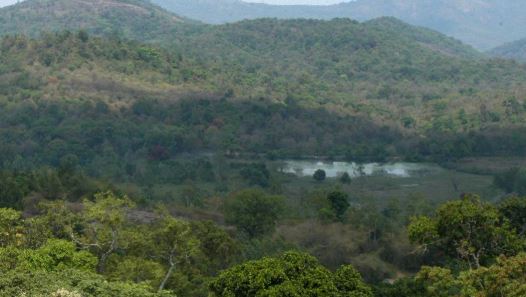
Sikkim, known for its snow-capped mountains and pristine natural landscape, has also established a distinct identity for its agricultural produce. In 2016, the state was declared India’s first fully organic state, marking a significant step towards promoting environmentally sustainable farming practices.
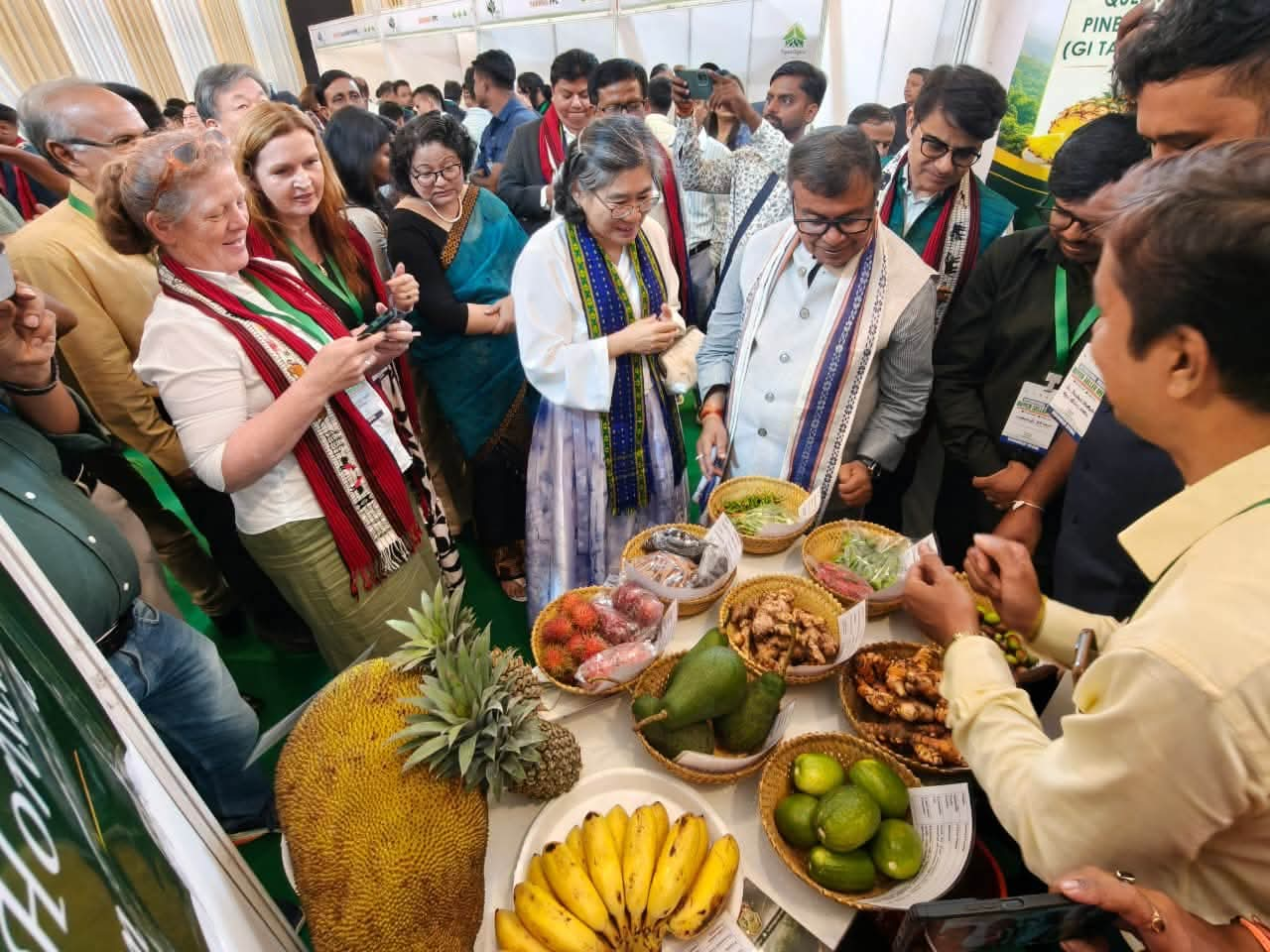
The state is known for the cultivation of large cardamom, ginger, buckwheat and other crops. Large cardamom remains one of Sikkim’s key agricultural products and has a strong presence in both domestic and international markets, with exports reaching countries such as Australia and the UAE.
Buckwheat is another important crop cultivated extensively in the state. It forms part of Sikkim’s traditional agricultural system and has received Geographical Indication (GI) recognition, further highlighting the distinct identity of the state’s agricultural produce.
Government programmes and institutional cooperation have also supported farmers and the development of the agricultural sector. The Pradhan Mantri Fasal Bima Yojana (PMFBY) provides crop insurance coverage to farmers against specified crop-related risks, while collaboration between the Government of India, ICAR-Sikkim and the Department of Agriculture, Government of Sikkim, has contributed to efforts to strengthen sustainable farming practices.
The growing focus on organic and natural farming is aimed at improving farm sustainability while protecting the state’s fragile mountain ecosystem. For Sikkim, the continued development of sustainable agriculture is also closely linked to strengthening rural livelihoods and creating greater value for its farm produce.
As India works towards the goal of a Viksit Bharat by 2047, Sikkim’s experience with organic and natural farming highlights the role that sustainable agriculture can play in inclusive rural development.