PM Modi: India Ready to Meet New Global Manufacturing Challenges
Sep 17, 2026
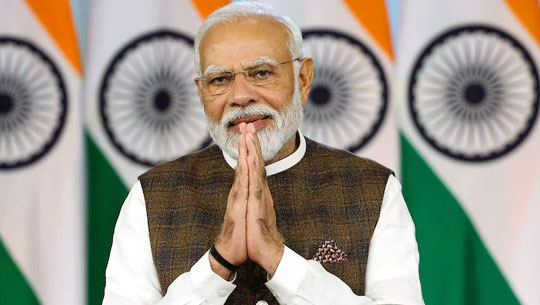
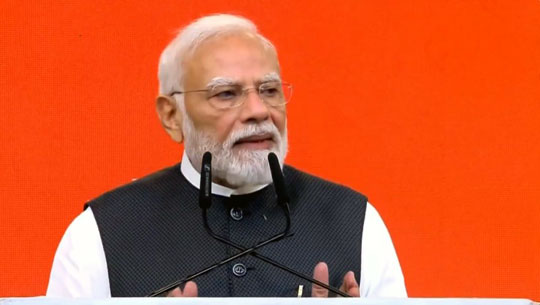
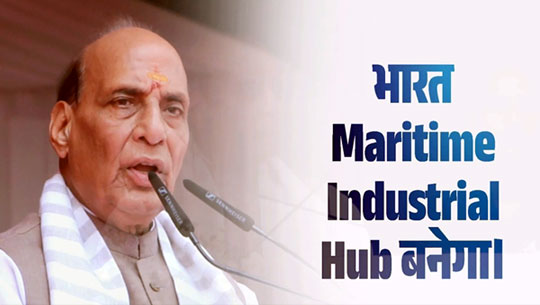
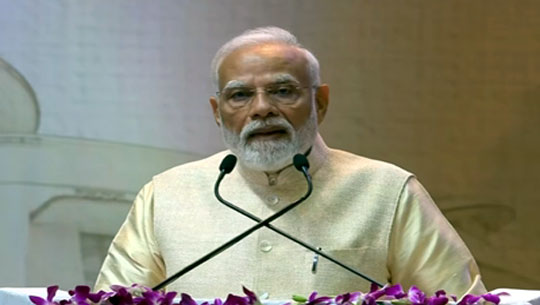
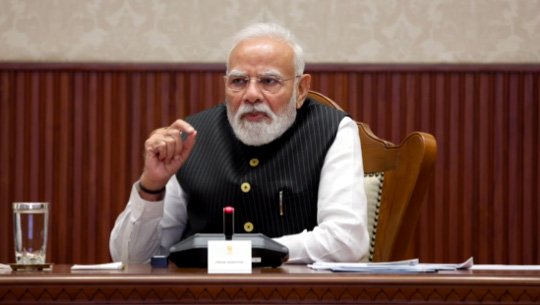
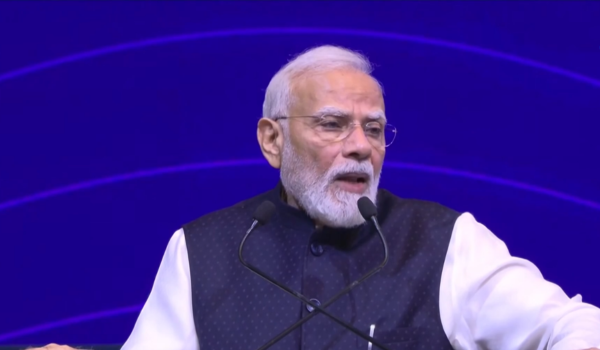
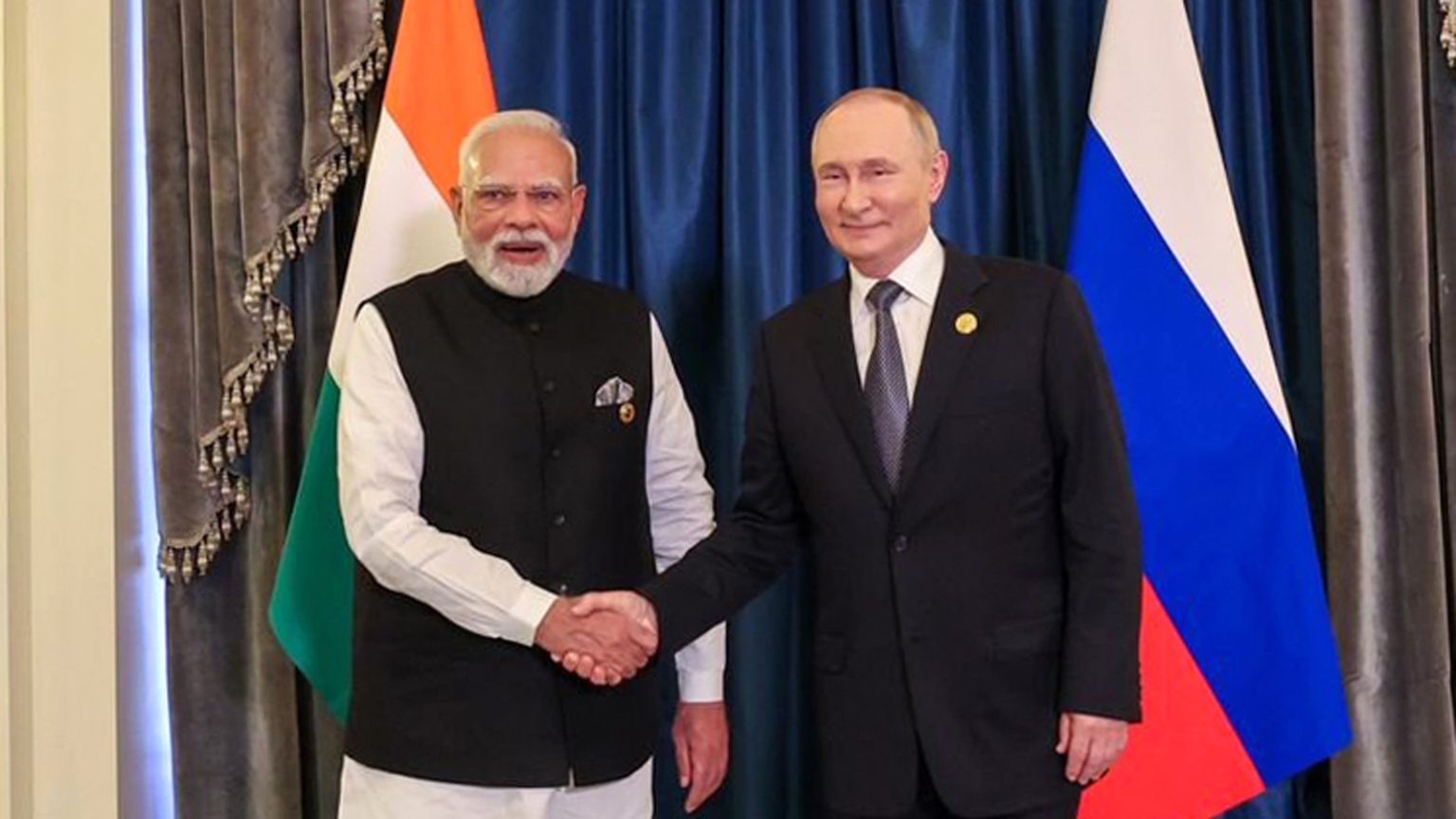
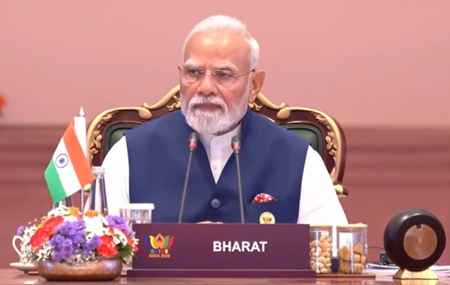
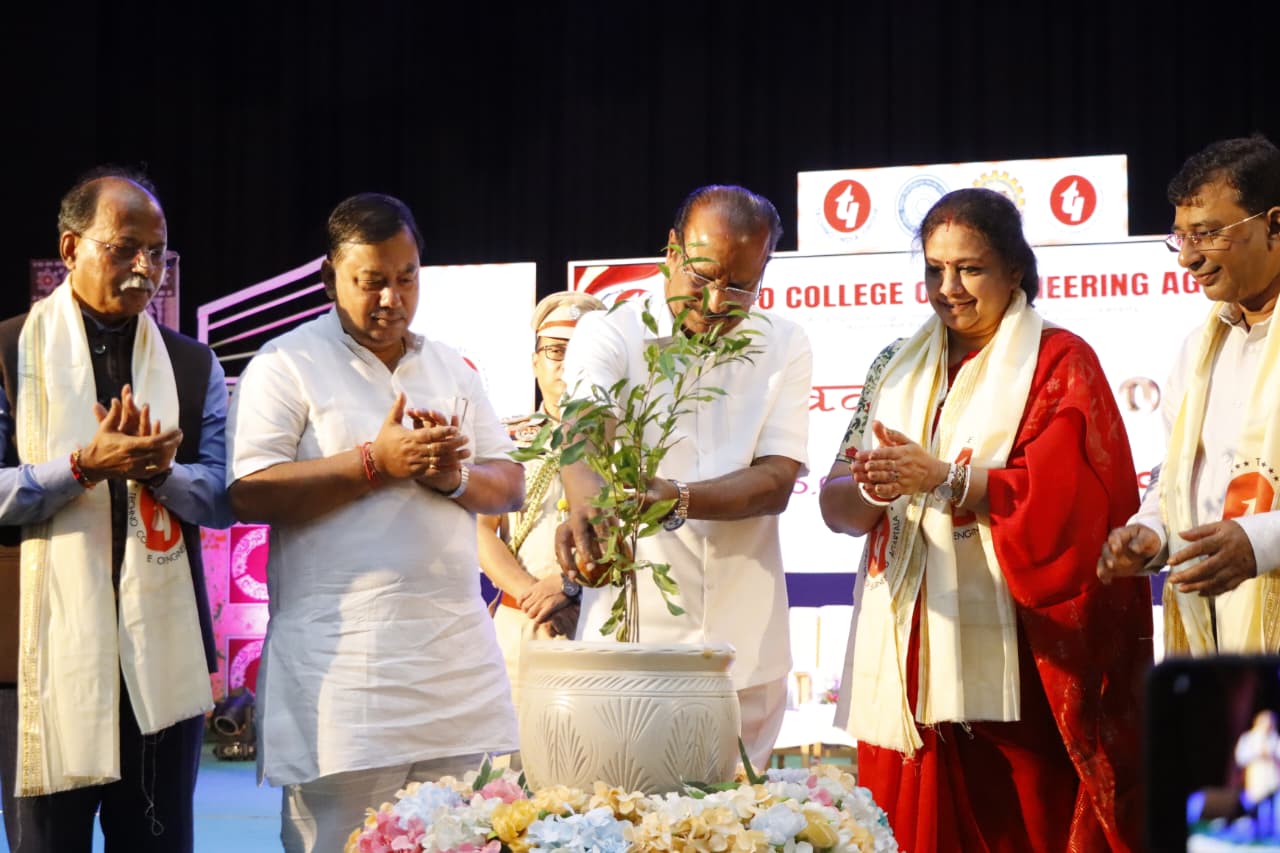
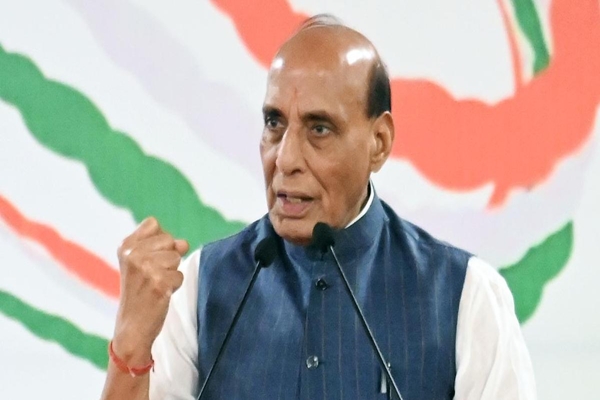
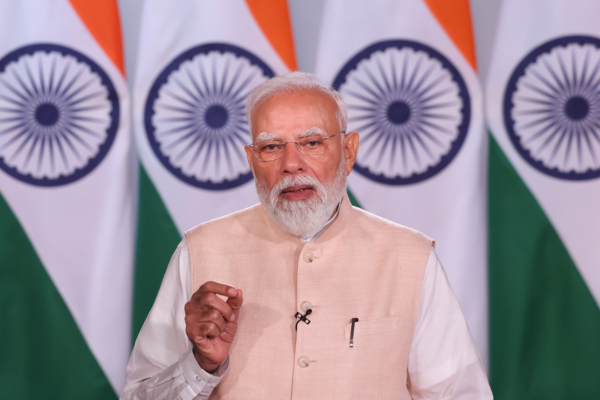
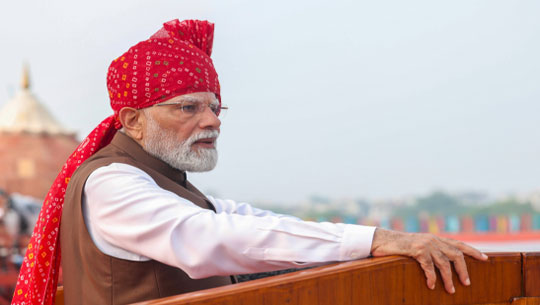
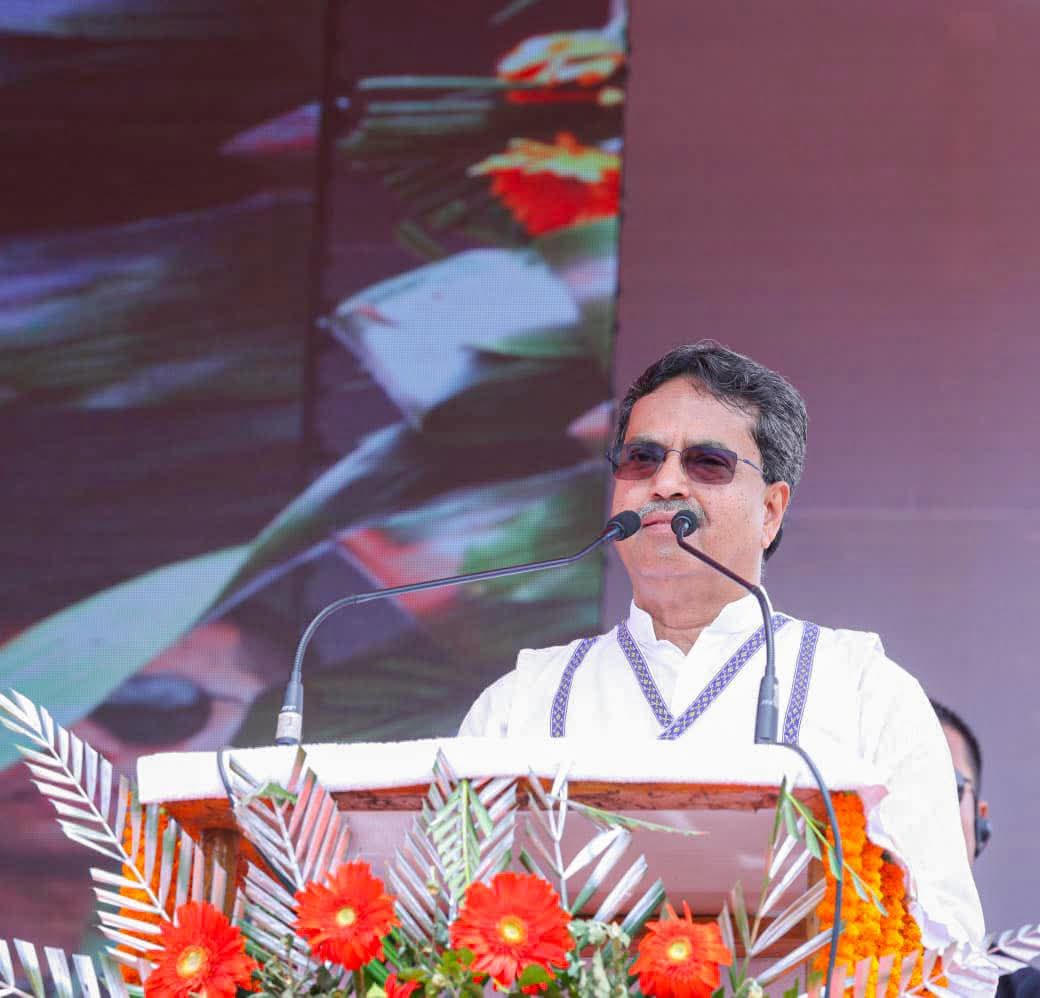
Prime Minister Narendra Modi on Thursday said India is steadily preparing to emerge as a reliable and trusted manufacturing destination as the global industry looks for new locations to meet evolving manufacturing challenges.
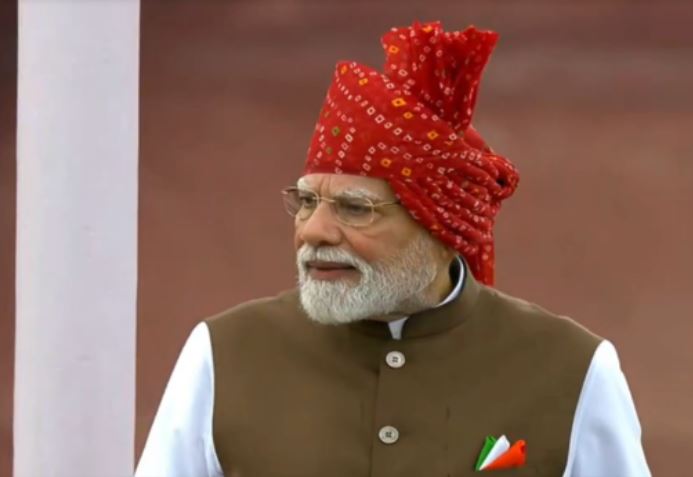
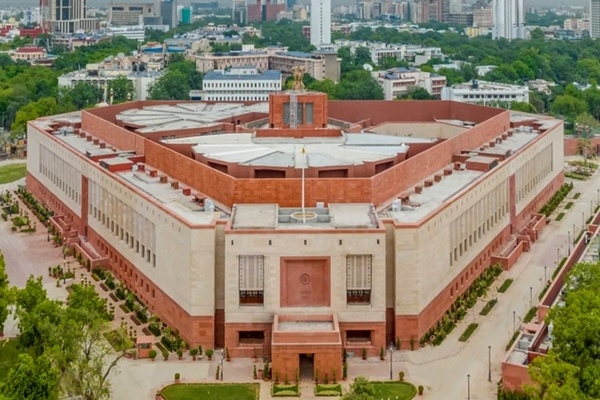
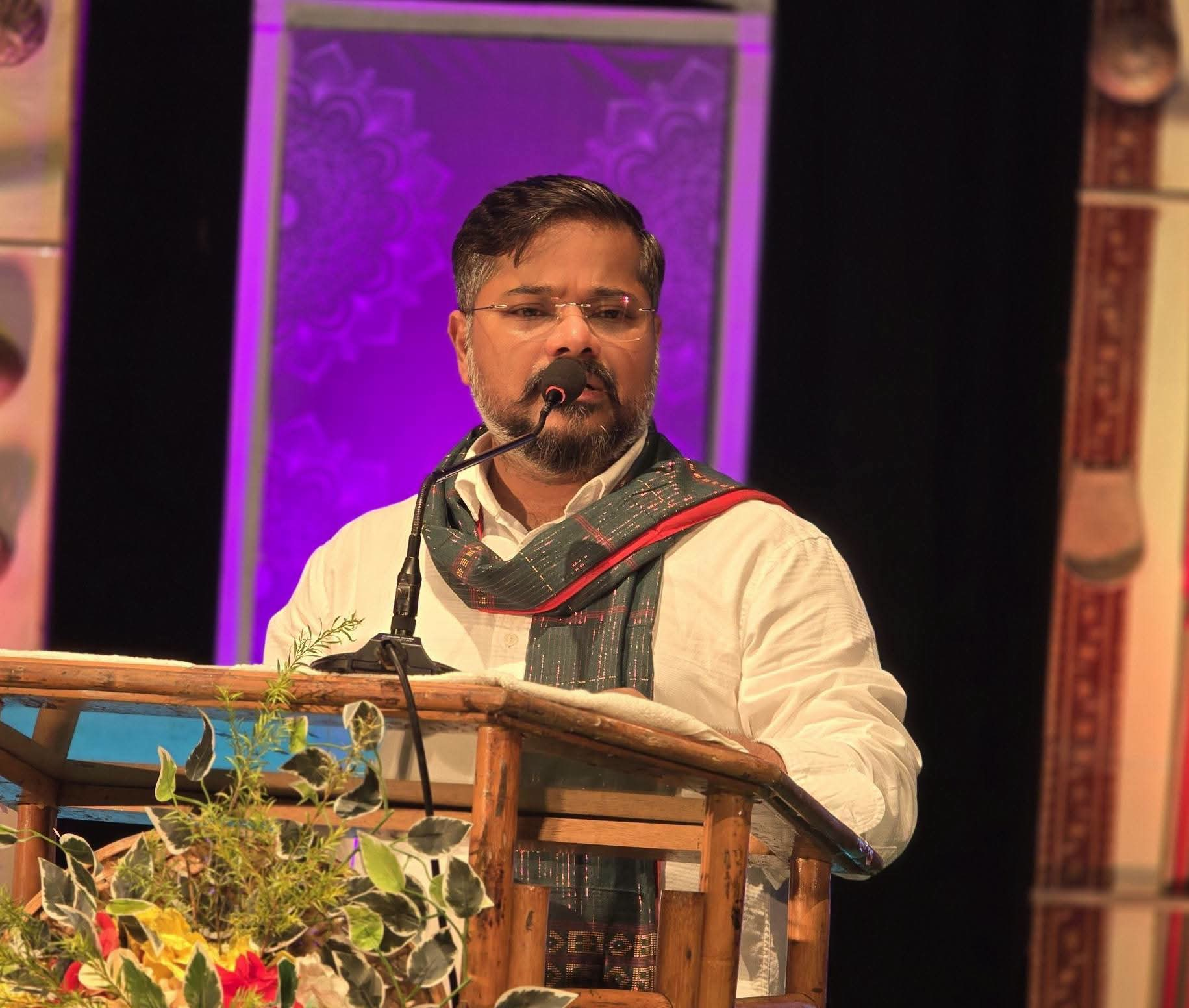
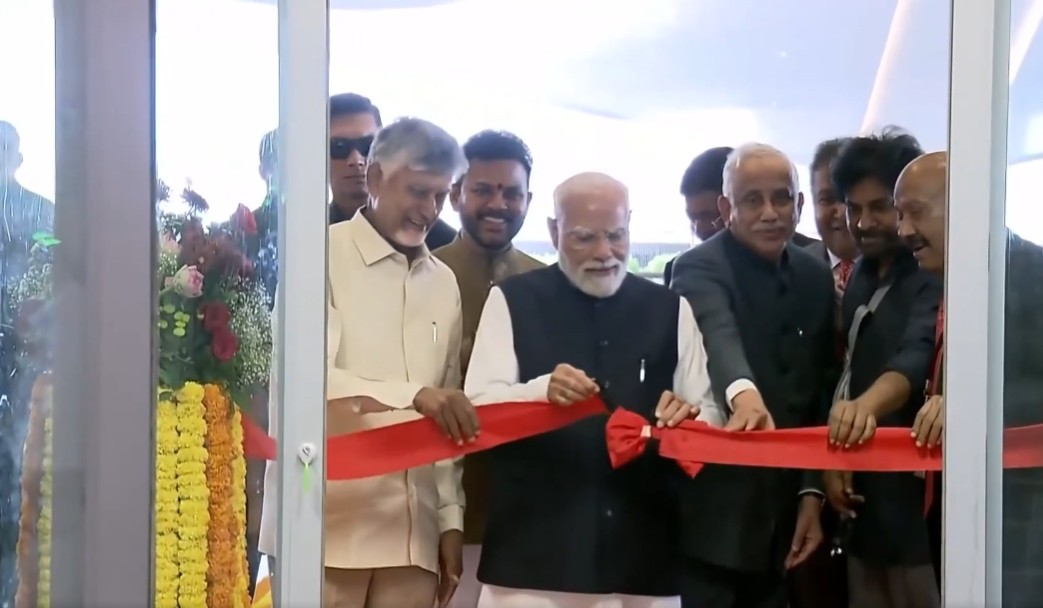
Inaugurating SEMICON India 2026 at Yashobhoomi in New Delhi, Modi highlighted the growing demand for semiconductors driven by artificial intelligence (AI) and said the industry is moving beyond simply reducing transistor sizes. He stressed the importance of holistic system integration, including memory placement, computing architecture and heat management.
Modi said India’s economic growth and global confidence in the country are rising simultaneously. He cited a 7.8 per cent growth rate despite a challenging global environment and noted that Japan’s credit rating agency had recently upgraded India’s sovereign rating.
The Prime Minister said India’s semiconductor ecosystem is expanding rapidly, creating new opportunities for innovation, investment and economic growth.
He said the India Semiconductor Mission 2.0 has an outlay of $13.5 billion, up from $8 billion under the first phase. So far, 12 semiconductor manufacturing projects have been approved, he said, adding that the next phase would further expand the ecosystem.
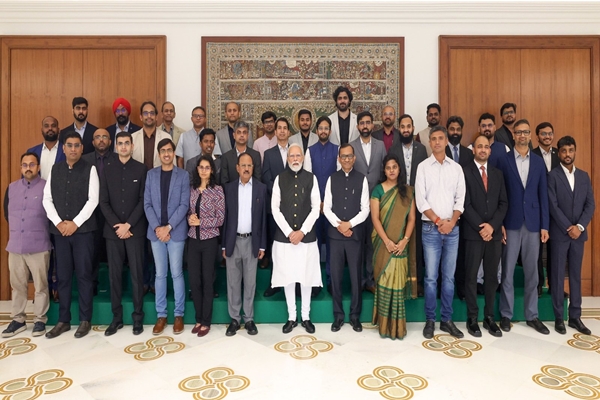
Modi also called for greater participation from India’s scientific and technology community in developing advanced technologies. He urged young researchers working in India, as well as Indian researchers abroad, to contribute to the country’s technological development.
The Prime Minister also encouraged industry leaders to increase investment in research and development, saying closer collaboration between industry and researchers would support industrial growth while creating opportunities for India’s young talent.
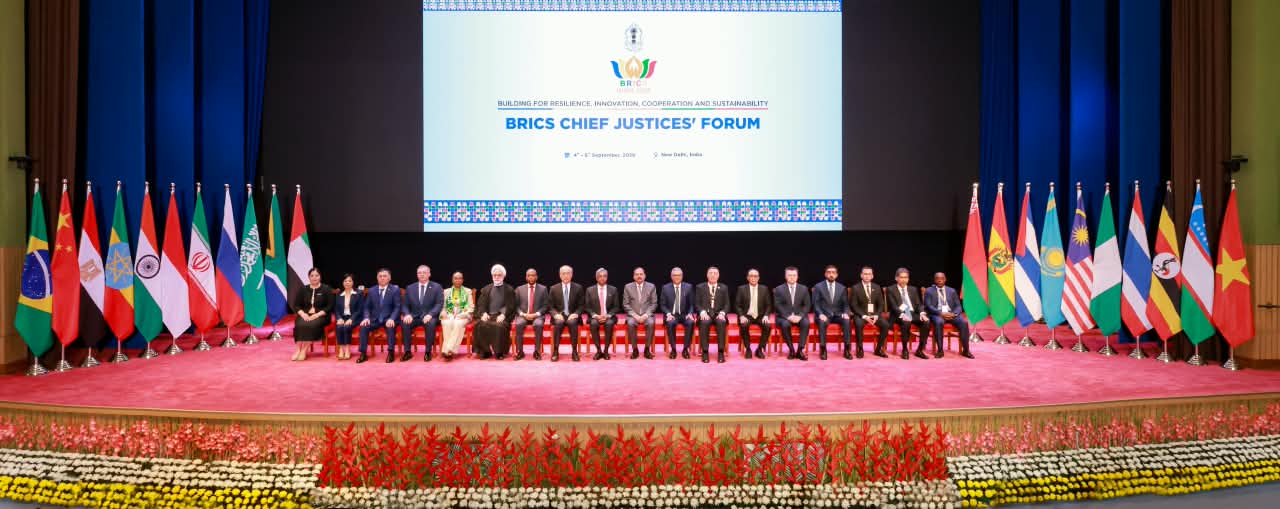
Referring to the recently held BRICS Summit in New Delhi, Modi said India had successfully hosted the meeting and secured consensus among member countries on the New Delhi Declaration. He described the development as another indication of growing international trust in India.
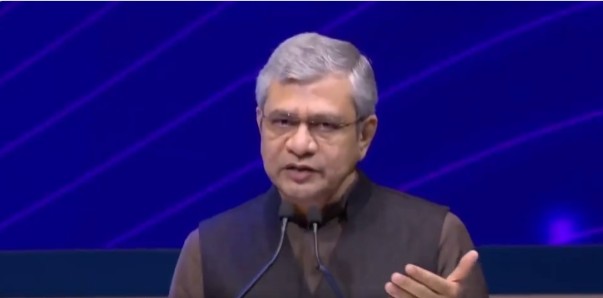
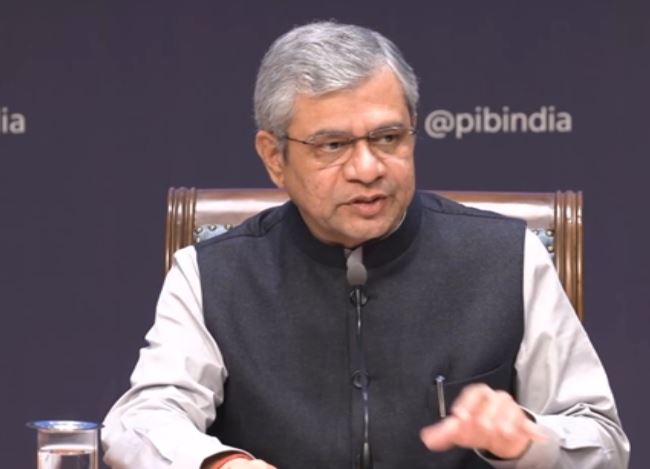
Union Minister for Electronics and Information Technology Ashwini Vaishnaw said India had sought to establish a semiconductor industry for several decades, but the foundation for the sector had now been laid.
He said Semicon 2.0 would focus on six major areas: semiconductor design, machines and materials, memory, silicon fabrication, compound and logic fabrication, and research and development.
Vaishnaw added that the government has set a target of supporting at least 200 startups and companies involved in semiconductor chip design in India across a wide range of requirements.
The government sees the expansion of the semiconductor ecosystem as a key part of India's broader strategy to strengthen domestic manufacturing, attract investment and build capabilities in advanced technologies.